

Serving Others
“And behold, I tell you these things that ye may learn wisdom, that ye may learn that when ye are in the service of your fellow beings, ye are only in the service of your God.” Mosiah 1:49 RAV, 2:17 OPV
In Kabbalah, there is a focus on moving away from Ego towards godly altruism. The essence of not just Mormon Kabbalah, but every form of Kabbalah is “love thy neighbor as thyself,” the second greatest commandment as taught by Jesus (Leviticus 19:18, 33-34). Kabbalist teacher Rav Akiva taught that loving others as we love ourselves is the purpose of all spiritual teachings and the very heart of our spiritual work. Altruism, to the Kabbalist, isn’t just giving, it is serving others; it’s not just a hand out, it is a help up. And, it is more than what we do or what we give, there is a focus on the how and the why as well.

Mem Hei Shin
“I sought the Lord, and he heard me, and delivered me from all my fears.” -Psalms 34:4
Mem Hei Shin is a meditation for healing. This can be personal or for others. It may be used for illnesses, physical, mental, or spiritual. It can also help with healing between relationships friends, family members, or coworkers. It can also help heal mundane woes, such as employments or financial troubles.
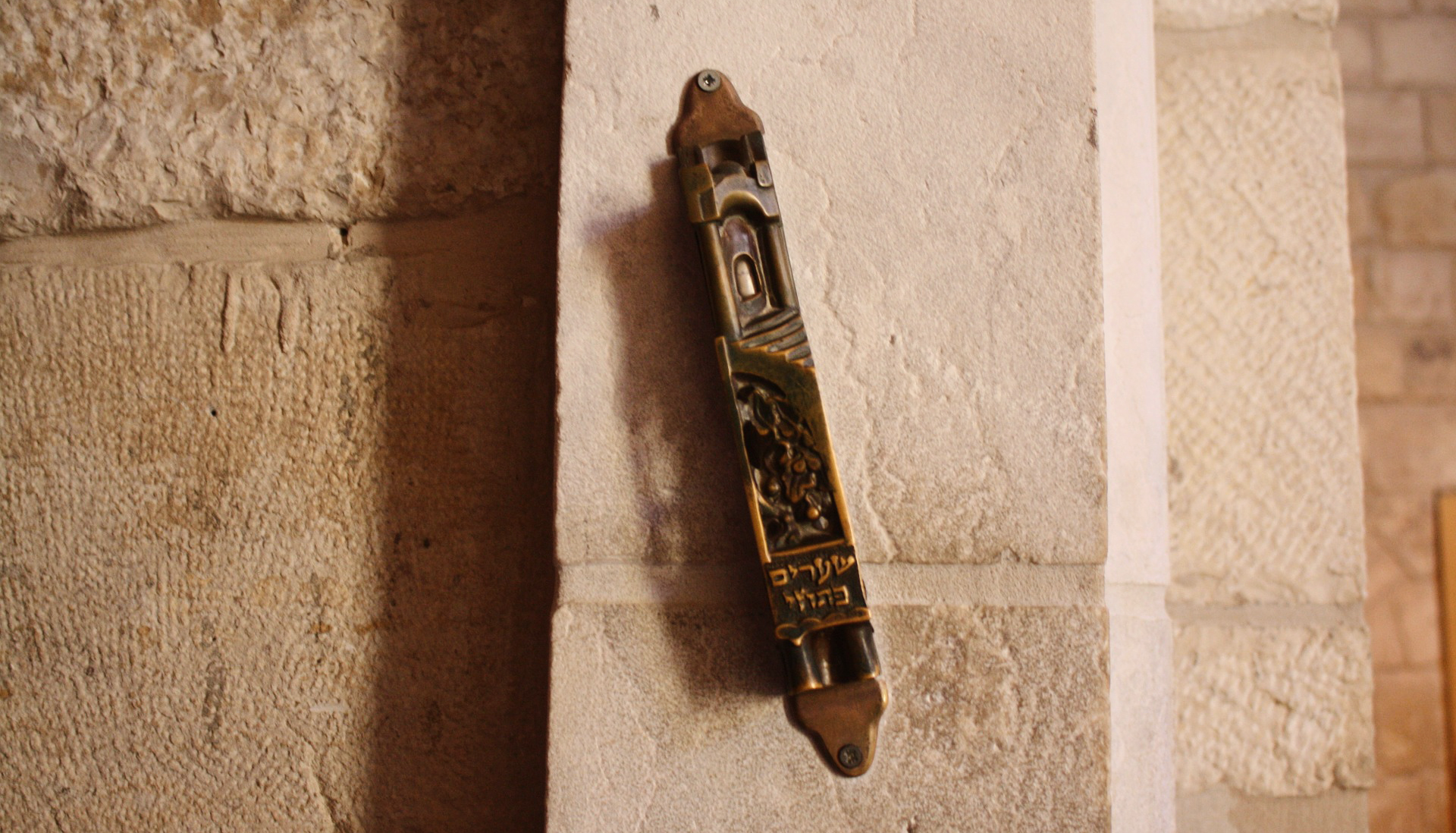
The Mezuzah and the Klaf
“Hear, O Israel: YHVH our Elohim is one YHVH: And thou shalt love YHVH thy Elohim with all thine heart, and with all thy soul, and with all thy might. And these words, which I command thee this day, shall be in thine heart: And thou shalt teach them diligently unto thy children, and shalt talk of them when thou sittest in thine house, and when thou walkest by the way, and when thou liest down, and when thou risest up. And thou shalt bind them for a sign upon thine hand, and they shall be as frontlets between thine eyes. And thou shalt write them upon the posts of thy house, and on thy gates.” -Deuteronomy 6:4–9 KJV (with the names of God)
Many Jews, and now even Christians, will affix a mezuzah to the doorpost of their homes to fulfill the mitzvah to “write the words of God on the gates and doorposts of your house” (Deuteronomy 6:9, & 11:20). Some will put a mezuzah in every doorway in their home, except closets, laundry rooms, and bathrooms, etc. as these are not living spaces. But what is a mezuzah?
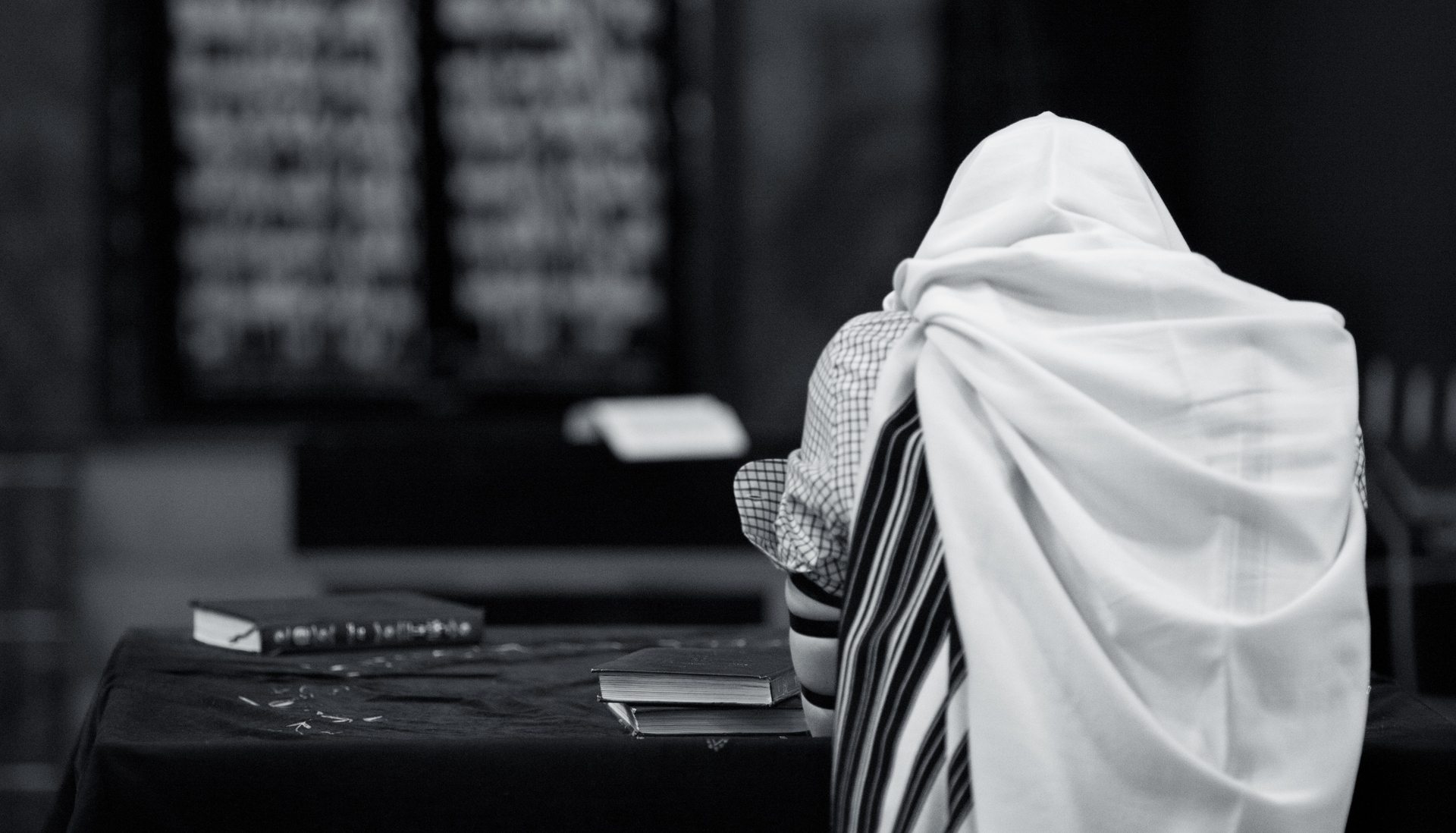
The Two Priesthoods
Many often think of the Aaronic or Levitical priesthood as being the lesser priesthood and the Melchizedek priesthood as being the greater. This simplification hides some very important facets of the two priesthoods and how they work together as orders of one priesthood. The Aaronic Priesthood was not instituted with Aaron, but had existed since the days that Levi, the son of Jacob, swore to be a priest to serve his brethren, and his “sons” who entered into the same order covenanted to do the same. From these days, the Sons of Levi were not only biological children, but any who took upon them the oaths that Levi took.

Tif’eret
“You shall not murder; blessed are the merciful: for they shall obtain mercy.” –Book of the Law of the Lord 1:6/3 Nephi 5:54 RAV, 12:7 OPV
The 10 Sefirot (Hebrew for “emanations”) are the 10 attributes of God in Kabbalah, through which Ein Sof (the Everlasting name of God) reveals Himself/Themselves to humankind. There are a few different ways of using the Sefirot. Some Kabbalists study and grow from attribute to attribute, while others see them as an urim and thummim. As an urim and thummim, the right and left sides create a series of “lenses” for the natural eyes, while the center creates a series of “lenses” for the third or spiritual eye. Through this urim and thummim, God helps us see both the physical realm and the chain of higher metaphysical realms.

Ego vs Altruism
“For all the law is fulfilled in one word, even in this; Thou shalt love thy neighbour as thyself.” -Galatians 5:14
In Mormon Kabbalah there is a theme of change. We grow in Grace, and as we do we grow from Egoism to becoming Godlike – altruistic. This is because as we grow to love God more, we learn to love our neighbors as ourselves to greater degrees. What is this Egoism we’re trying to shake off?

Gevurah
“Honor thy father and thy mother; blessed are the pure in heart, for they shall see God.” –Book of the Law of the Lord 1:5/3 Nephi 5:55 RAV, 12:8 OPV
The 10 Sefirot (Hebrew for “emanations”) are the 10 attributes of God in Kabbalah, through which Ein Sof (the Everlasting name of God) reveals Himself/Themselves to humankind. There are a few different ways of using the Sefirot. Some Kabbalists study and grow from attribute to attribute, while others see them as an urim and thummim. As an urim and thummim, the right and left sides create a series of “lenses” for the natural eyes, while the center creates a series of “lenses” for the third or spiritual eye. Through this urim and thummim, God helps us see both the physical realm and the chain of higher metaphysical realms.

Rosh Chodesh
And the Lord spake unto Moses and Aaron in the land of Egypt, saying: This month shall be unto you the beginning of months: it shall be the first month of the year to you.” –Exodus 12:1-2
ראש חודש Rosh Chodesh is Hebrew for “beginning of the Month,” literally meaning “the head of the month.” It is the term used for the minor Jewish holiday marking the first day of every month in the Hebrew calendar. The day is set by the birth of a new moon.

I, Nephi
“I, Nephi, having been born of goodly parents, therefore, I was taught somewhat in all the learning of my father; and having seen many afflictions in the course of my days–nevertheless, having been highly favored of the Lord in all my days, yea, having had a great knowledge of the goodness and the mysteries of God, therefore, I make a record of my proceedings in my days; yea, I make a record in the language of my father, which consists of the learning of the Jews and the language of the Egyptians. And I know that the record which I make is true; and I make it with mine own hand; and I make it according to my knowledge.” -1 Nephi 1:1-2 RAV, 1:1-3 OPV

Pardes and the Orchard of Kabbalah
“Happy are the poor in spirit, for in them is the Kingdom of Heaven.” -Matthew 5:3
Perhaps the most interesting perspective to come from Kabbalah is the idea that heaven isn’t a far away place. It’s not something to look forward to eventually, but rather something here and now, if we will open our eyes and see it. This is because Kabbalah is about perception. “Change perception, change reality.” This is the last of the Seven Principles of Mormon Kabbalah. Heaven is in us and around us, if we will but see it. How then do we find heaven? We start with a walk in the orchard.

Chesed
“Thou shalt love thy neighbor as thyself; blessed are the peacemakers, for they shall be called the children of God.” –Book of the Law of the Lord 1:4/3 Nephi 5:56 RAV, 12:9 OPV
The 10 Sefirot (Hebrew for “emanations”) are the 10 attributes of God in Kabbalah, through which Ein Sof (the Everlasting name of God) reveals Himself/Themselves to humankind. There are a few different ways of using the Sefirot. Some Kabbalists study and grow from attribute to attribute, while others see them as an urim and thummim. As an urim and thummim, the right and left sides create a series of “lenses” for the natural eyes, while the center creates a series of “lenses” for the third or spiritual eye. Through this urim and thummim, God helps us see both the physical realm and the chain of higher metaphysical realms.

Keys
When I was very young, my mother was always at home; and on special occasions, my brother and I could stay up and greet our father when he came home from the paper mill. My brother and I would wait for our father to come through the door, reeking of the awful smell of the paper mill, and then run away, laughing and giggling. Our father got a laugh out of this as he put down his briefcase and unlatched his enormous keychain from his belt and set it on the counter right next to our very 20’s style oven.