
Hei Lamed Lamed
“Sing praises to the LORD, which dwelleth in Zion: declare among the people his doings.” Psalms 9:11 Hei Lamed Lamed (Hebrew is read backwards) is a meditation for dreaming or entering the dream state. Dreams are a gateway to the subconsciousness. The Lord spoke to many prophets; Joseph of Egypt, Lehi, Omer, Daniel, and Joseph the husband of Mary are but a few (Genesis 37:5; 1 Nephi 1:41 RAV, 8:2 OPV; Either 4:3 RAV, 9:3a OPV; Daniel 7:1; Matthew 1:20). How do we know when what we’ve seen is a dream, just our imaginations, or a vision from the Lord? How can we prepare ourselves to receive a vision in the form of a dream? Hei Lamed Lamed can help. Lamed Lamed (or Lammed or Lamedh) is the twelfth letter of the Hebrew Alphabet. It signifies the number 30. Lamed is translated literally to “learning,” and so that is what it represents.…
One Priesthood
We have been told there is one priesthood, and that it has been divided into two parts: the Lower or Levitical, and the High Priesthood. Why this division? It is truly divided?

Free Will
Many say that the greatest gift God has given us is the Atonement of Christ. This makes sense, as it is this atonement that grants us the Grace that offers us salvation. However, until we accept it, this grace is merely that—and offering. Perhaps then, the greatest gift God has granted us is the freedom to choose for ourselves.

Wearing the Shield of Faith
“After these things the Word of the YHVH came unto Abram in a vision, saying, Fear not, Abram: I am thy shield, and thy exceeding great reward.” -Genesis 15:1
In the scriptures we are taught to put on the armor of God (see Ephesians 6:10-18). One part of this armor is the Shield of Faith. This is not a metaphorical shield, but a literal shield, a spiritual tool available to use through the power of God; the priesthood.

Sefirot, Chakra, and the Five Graces
At length Rabbi Simeon spake, and said: “As a lily amongst the thorns.” This word lily, what doth it mean and symbolize? It symbolizes the congregation of Israel.” -Zohar, the Lily
The Sefirot withing the Tree of Life represent various parts of the body. Alone, they are incomplete. Adding the chakra, energy points that run from the brain down to the spine, and parts of the body and adds to our understanding. In Mormon Kabbalah we have unique understanding of the chakra thanks to Apostle Victoria’s revelation from the Divine Feminine. She added to our understanding by introducing us to the Five Graces. Combining the traditional chakra with the new wisdom adds to our knowledge to begin to complete our understanding.
Endowed from on High
The term “endow” or “endowment” can be found a number of times in Doctrines of the Saints. Like all gifts of the Spirit, they are given line upon line, and taught precept upon precept. But, what does this mean?
The Tallit and the Gospel
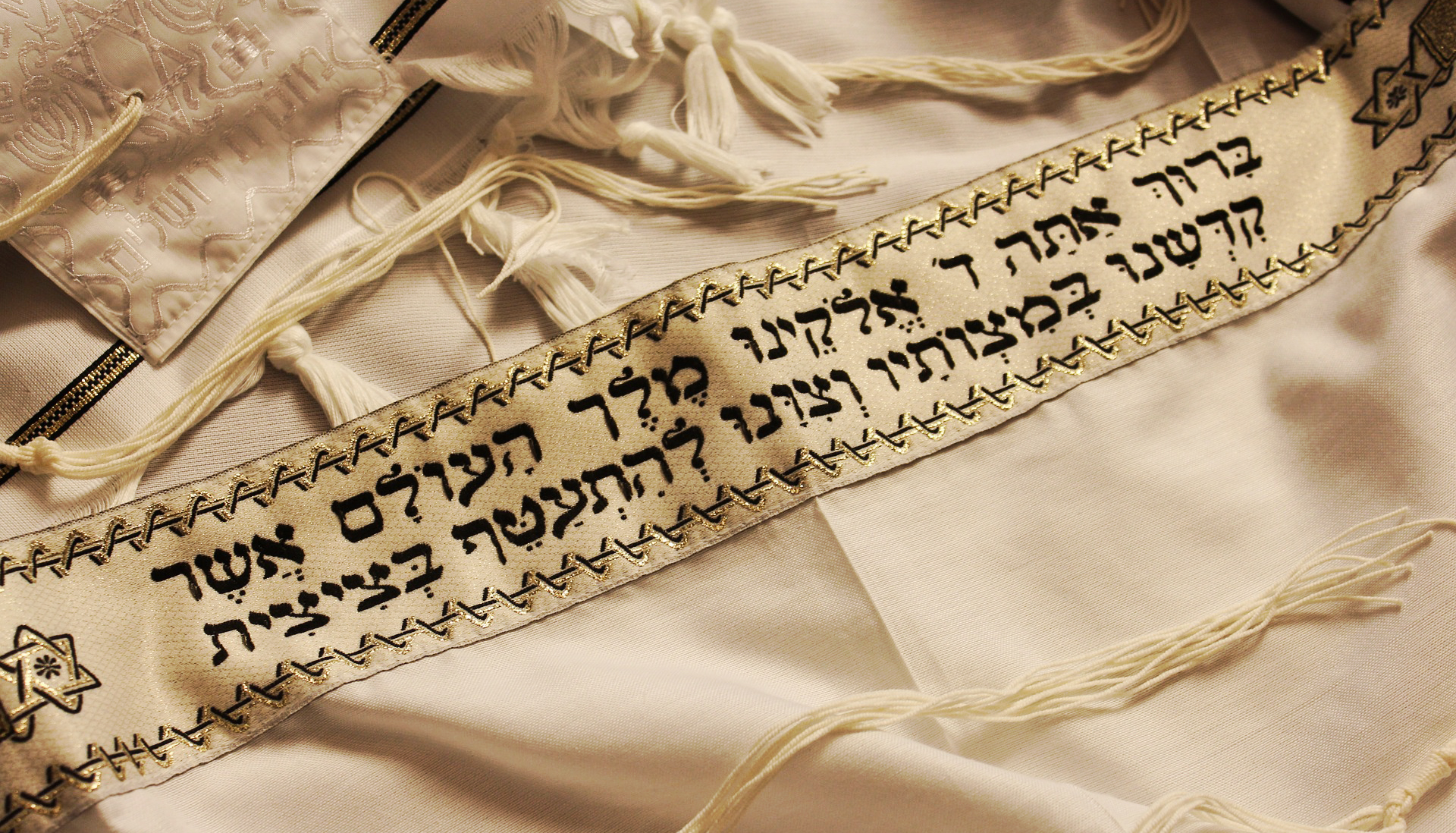
“And the High Priests and High Priestesses, these shall wear a tallit, which is to say a prayer shawl with tzitzit, or fringe.” -Doctrines of the Saints 114:30
When seeking the will of the Lord in regards to head coverings for the Saints when wearing the Robes of the Priesthood, I received a revelation that mentioned the tallit. This revelation spoke of the High Priests and High Priestesses wearing this prayer shawl, but what is the tallit?

Hod
“Thou shalt not steal; blessed are the meek, for they shall inherit the earth.” –Book of the Law of the Lord 1:8/3 Nephi 5:52 RAV, 12:5 OPV
The 10 Sefirot (Hebrew for “emanations”) are the 10 attributes of God in Kabbalah, through which Ein Sof (the Everlasting name of God) reveals Himself/Themselves to humankind. There are a few different ways of using the Sefirot. Some Kabbalists study and grow from attribute to attribute, while others see them as an urim and thummim. As an urim and thummim, the right and left sides create a series of “lenses” for the natural eyes, while the center creates a series of “lenses” for the third or spiritual eye. Through this urim and thummim, God helps us see both the physical realm and the chain of higher metaphysical realms.

8 Threads of the Garments of the Priesthood
When one enters the ministry they are ordained to the priesthood. We are then, being clean, given the Garments of the Priesthood. In the Book of Remembrance, the Lord God sends Raphael to teach us the deeper symbolism of the Garments

Language of the Kingdom Age
“These commandments are of me and were given unto my servants in their weakness, after the manner of their language, that they might come to understanding.” -Doctrines of the Saints 1:27
In a conversation with Elder David, I was introduced to some things in yoga that I had not previously considered. It relates to a conversation he and I shared earlier regarding the need to educate people on new or unfamiliar terminology we may be using when we teach. I have to thank David for introducing me to this website that brought me a whole different way of looking at everything, particularly at the power of language that is unfamiliar to those of the Western Hemisphere, more specifically to Christianity and the Restoration movement in particular.
The People of Israel
In the Latter Day Saint movement, the terms “Zion” and “Israel” come up a lot. Sometimes they are even used interchangeably. But what do these words mean? And what do they have to do with us, today?
Netzach
“Thou shalt not commit adultery; blessed are all they which do hunger and thirst after righteousness, for they shall be filled with the Holy Ghost.” –Book of the Law of the Lord 1:7/3 Nephi 5:53 RAV, 12:6 OPV
The 10 Sefirot (Hebrew for “emanations”) are the 10 attributes of God in Kabbalah, through which Ein Sof (the Everlasting name of God) reveals Himself/Themselves to humankind. There are a few different ways of using the Sefirot. Some Kabbalists study and grow from attribute to attribute, while others see them as an urim and thummim. As an urim and thummim, the right and left sides create a series of “lenses” for the natural eyes, while the center creates a series of “lenses” for the third or spiritual eye. Through this urim and thummim, God helps us see both the physical realm and the chain of higher metaphysical realms.