
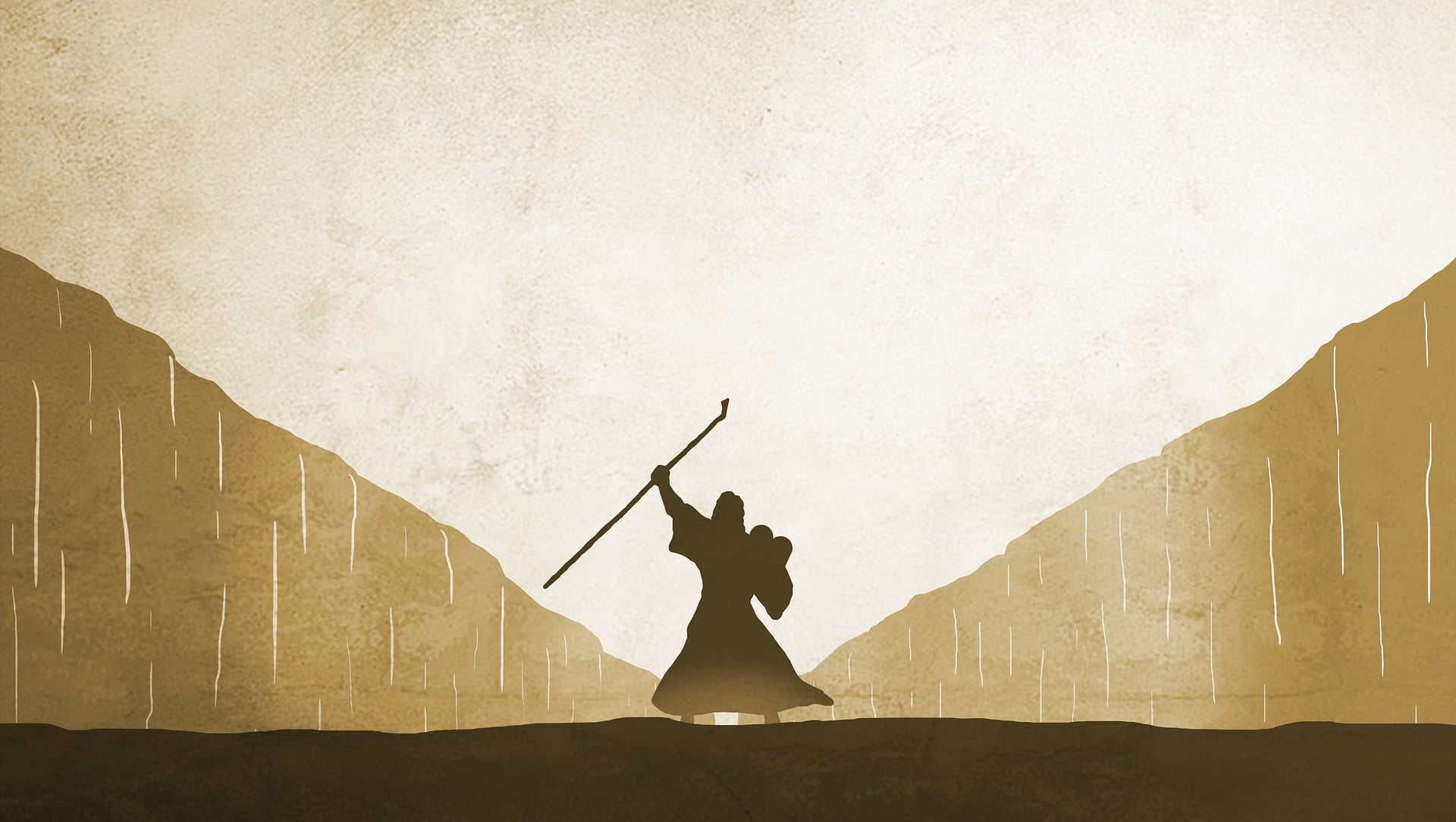
Chereb of the Saints
Therefore, I shall give unto thee my sword, that I will stretch out my hand and smite Egypt with the many wonders which I will do in the midst thereof; and after that Pharaoh will let you go, and I will give this people favor in the sight of the Egyptians.” –3 Moses 29-30
One thing I noticed while reading the scriptures growing up, which seemed to be bypassed or ignored at church, is that prophets and holy men in scripture carry around a surprising number of unusual objects. Moses had a staff, Lehi had the Liahona, Joseph Smith had a Seer Stone, etc. When I would ask about it, people would say that was how things were, if they answered at all. As a child, that pacified me, and I grew into a similar opinion, that they were just a subpart of the stories. The answer is actually much deeper, and far less strange, than it first appears.
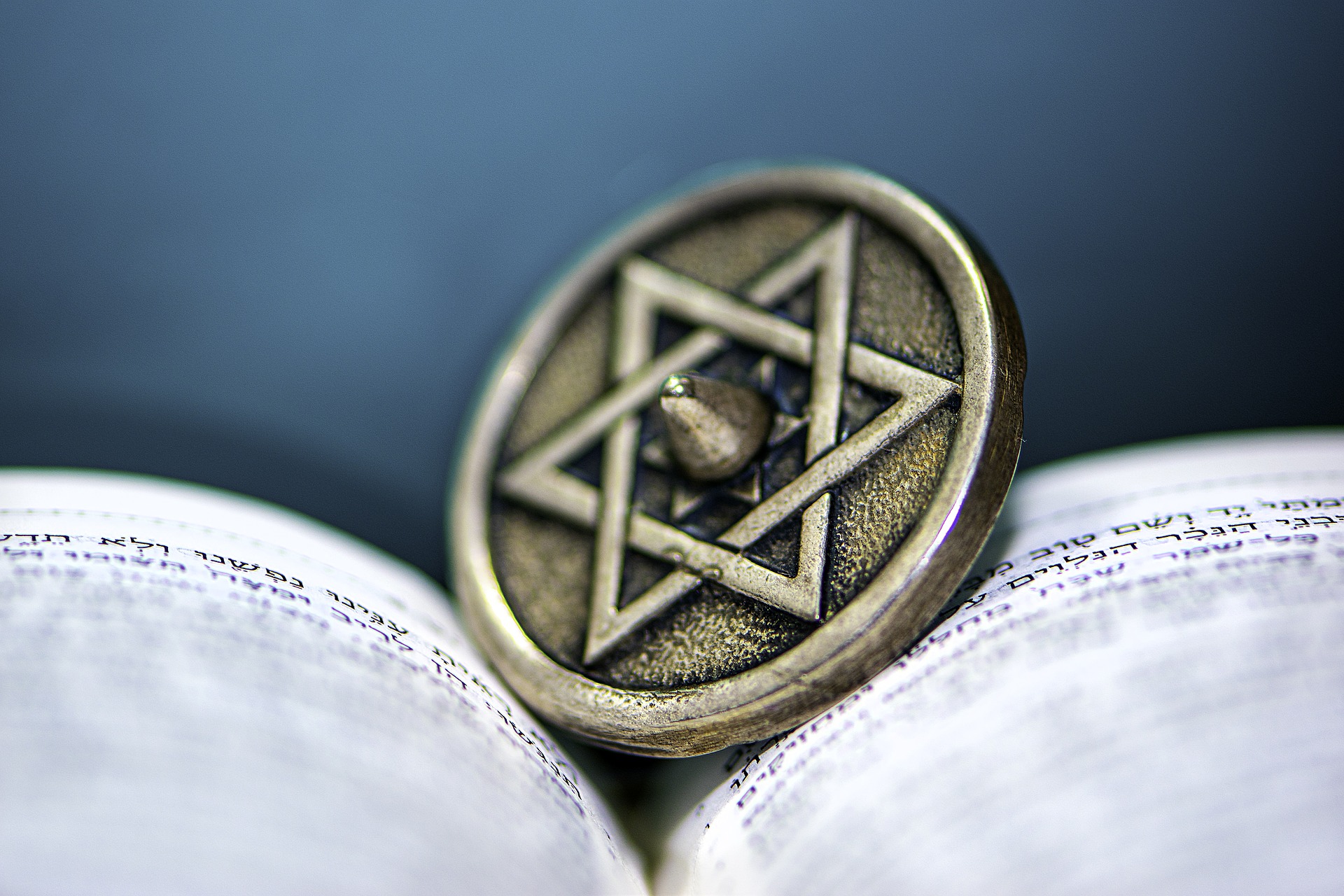
The Tradition of Mormon Kabbalah
While Nephi warned us against stagnation, he also taught the Kabbalistic idea of continuing ever forward in God.

The Hamsa
“Therefore shall they receive a glorious kingdom, and a beautiful crown from the Lord’s hand: for with his right hand shall he cover them, and with his arm shall he protect them.” -Wisdom of Solomon 5:16
The hamsa (Hebrew: חמסה) is a amulet in the shape of a palm popular throughout the Middle East and North Africa. It can be found in both jewelry and wall art. In Arabic it is called khamsah (خمسة), meaning “five” or “the five fingers of the hand.” This symbol can be found in kabbalistic manuscripts and amulets, doubling as the letter shin, the first letter of the divine name Shaddai. The hamsa is depicting as an open right hand, much like the Sign of the Law of Sacrifice. This image has been used and recognized as a sign of protection throughout history.
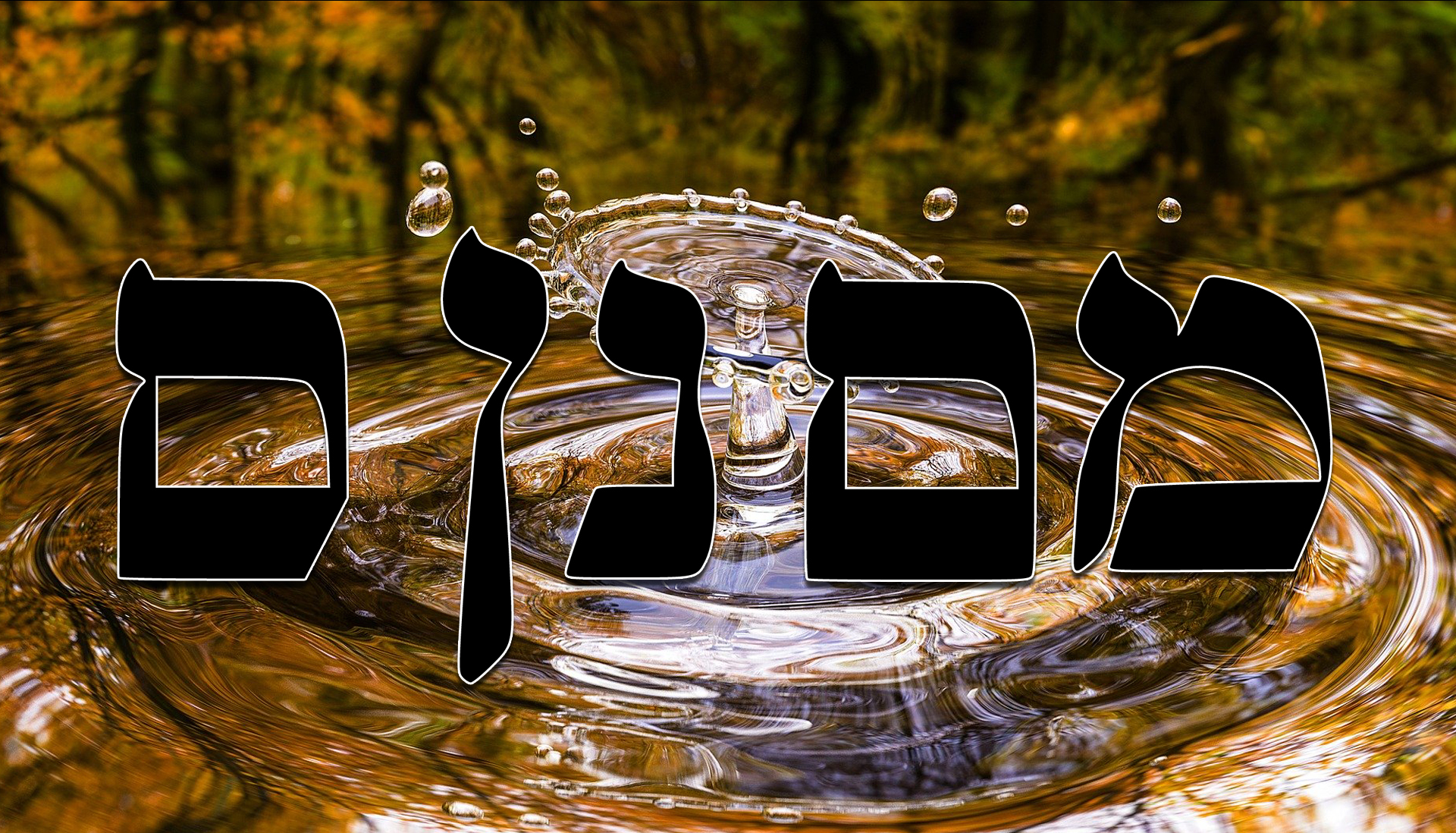
Aleph-Bet: Mem, Nun, Samekh
There are twenty-two letters in the Hebrew Aleph-bet (alphabet). This brief overview will define three of them, Mem, Nun, and Samekh, going over the basics of their mystical interpretations. In Mormon Kabbalah, these letters are used for spiritual communication in ways that do not require one to be fluent in the language. These letters help us gain a direct spiritual communication going beyond mere words. Meditation with the letters is a common practice in Kabbalah to help facilitate spiritual growth.

Aleph-Bet: Yod, Kaf, Lamed
There are twenty-two letters in the Hebrew Aleph-bet (alphabet). This brief overview will define three of them, Yod, Kaf, and Lamed, going over the basics of their mystical interpretations. In Mormon Kabbalah, these letters are used for spiritual communication in ways that do not require one to be fluent in the language. These letters help us gain a direct spiritual communication going beyond mere words. Meditation with the letters is a common practice in Kabbalah to help facilitate spiritual growth.

Space Time (Part 1)
This report by Nassim Harriman on consciousness caught my attention because he talked about influence on space. Which as we search for a deeper insite into the work and purpose of Melchizedek Nassim’s report has a direct correlation. He is giving more detail of the laws Melchizedek uses. These details have to be a component of how that influence happens.

Avoiding Fornication
To understand God’s view of fornication, we must understand the relationship between God and the Church. In the Scriptures, God is the Groom. The Church (all of us) is the Bride.

Wearing the Shield of Faith
“After these things the Word of the YHVH came unto Abram in a vision, saying, Fear not, Abram: I am thy shield, and thy exceeding great reward.” -Genesis 15:1
In the scriptures we are taught to put on the armor of God (see Ephesians 6:10-18). One part of this armor is the Shield of Faith. This is not a metaphorical shield, but a literal shield, a spiritual tool available to use through the power of God; the priesthood.
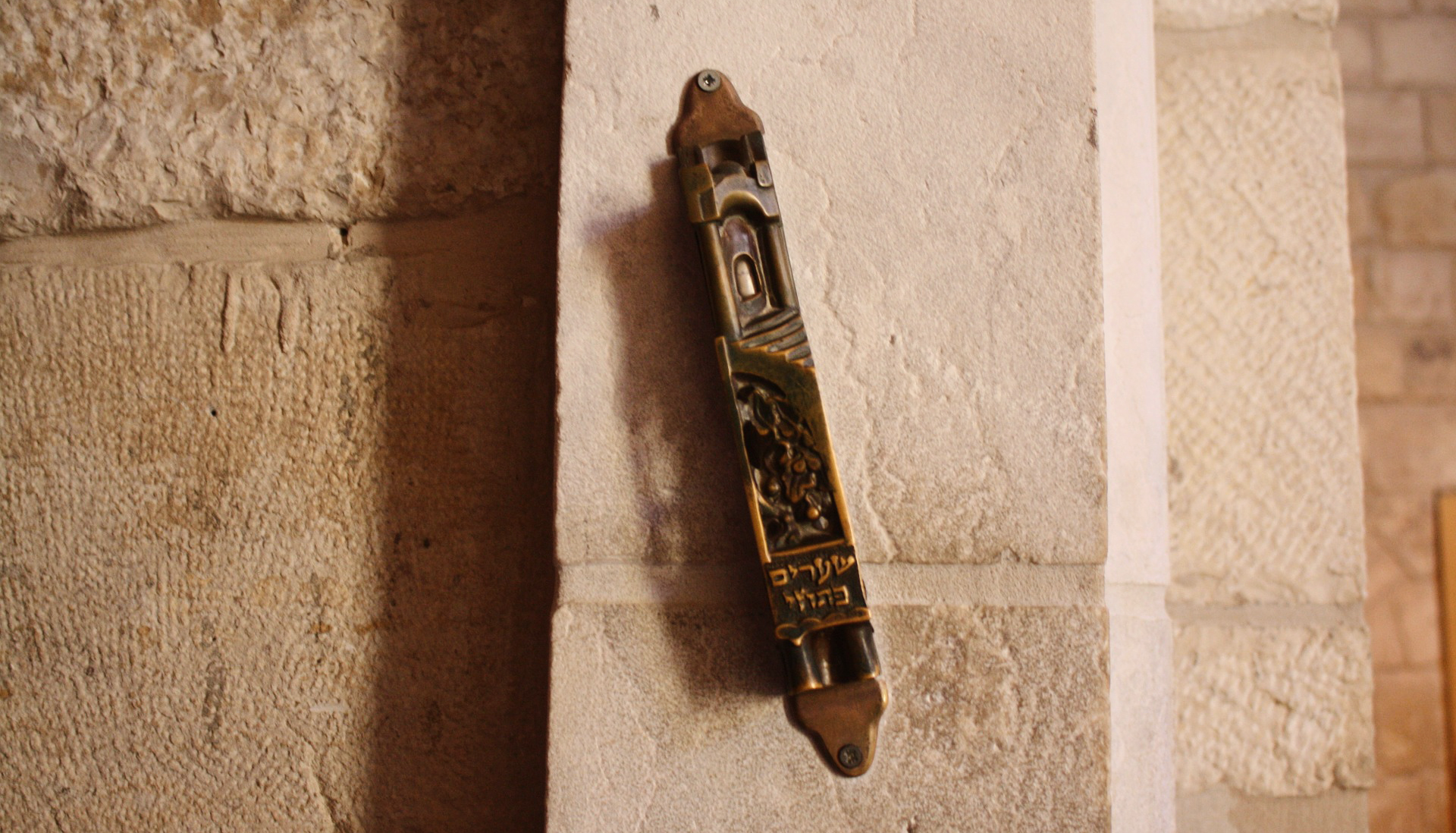
The Mezuzah and the Klaf
“Hear, O Israel: YHVH our Elohim is one YHVH: And thou shalt love YHVH thy Elohim with all thine heart, and with all thy soul, and with all thy might. And these words, which I command thee this day, shall be in thine heart: And thou shalt teach them diligently unto thy children, and shalt talk of them when thou sittest in thine house, and when thou walkest by the way, and when thou liest down, and when thou risest up. And thou shalt bind them for a sign upon thine hand, and they shall be as frontlets between thine eyes. And thou shalt write them upon the posts of thy house, and on thy gates.” -Deuteronomy 6:4–9 KJV (with the names of God)
Many Jews, and now even Christians, will affix a mezuzah to the doorpost of their homes to fulfill the mitzvah to “write the words of God on the gates and doorposts of your house” (Deuteronomy 6:9, & 11:20). Some will put a mezuzah in every doorway in their home, except closets, laundry rooms, and bathrooms, etc. as these are not living spaces. But what is a mezuzah?
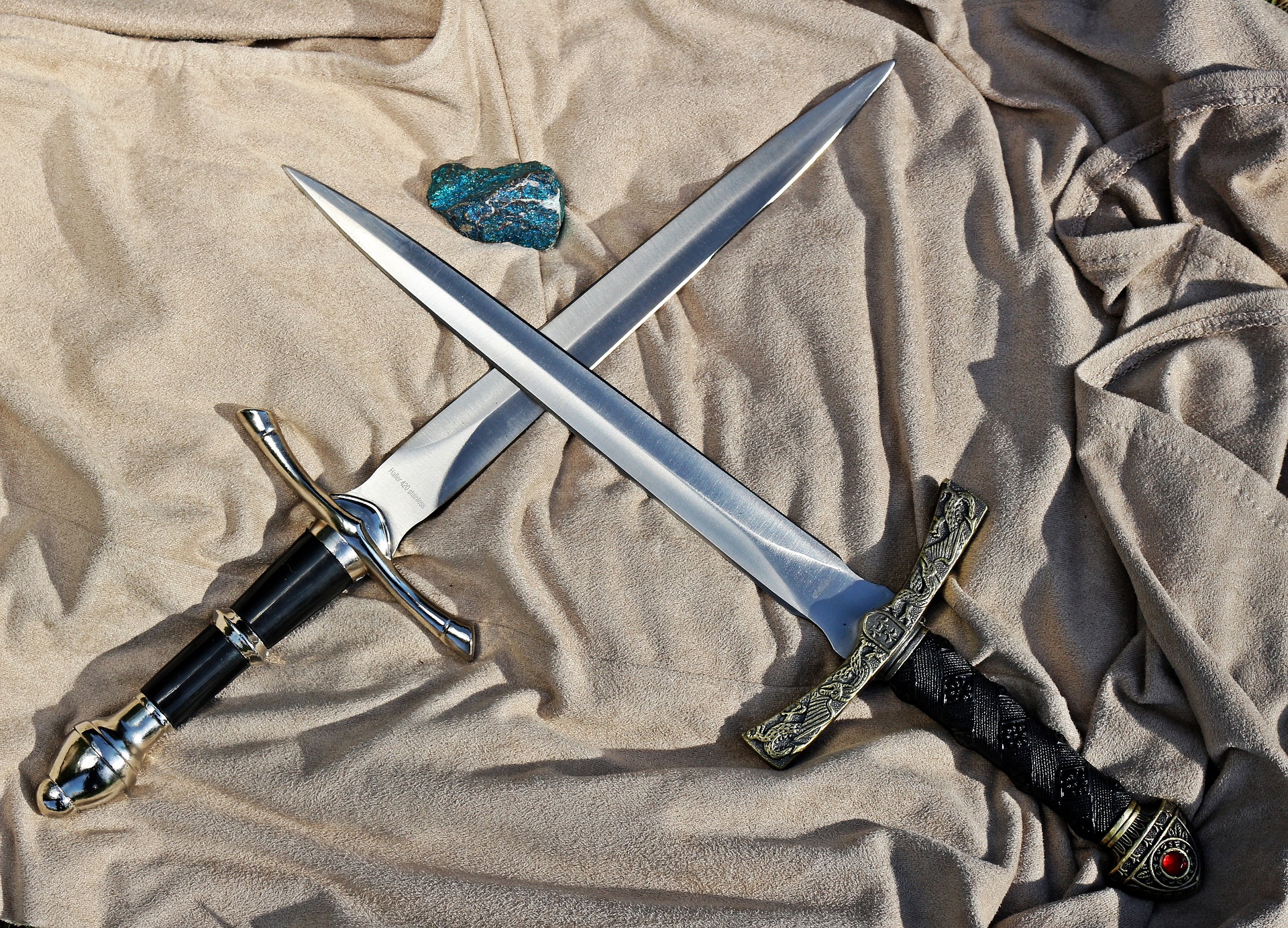
Fire: Athame
“Behold I am God, give heed unto my Word, which is quick and powerful, sharper than a two-edged sword, to the dividing asunder of both joints and marrow; therefore, give heed unto my Word.” -Avahr 24:20-21
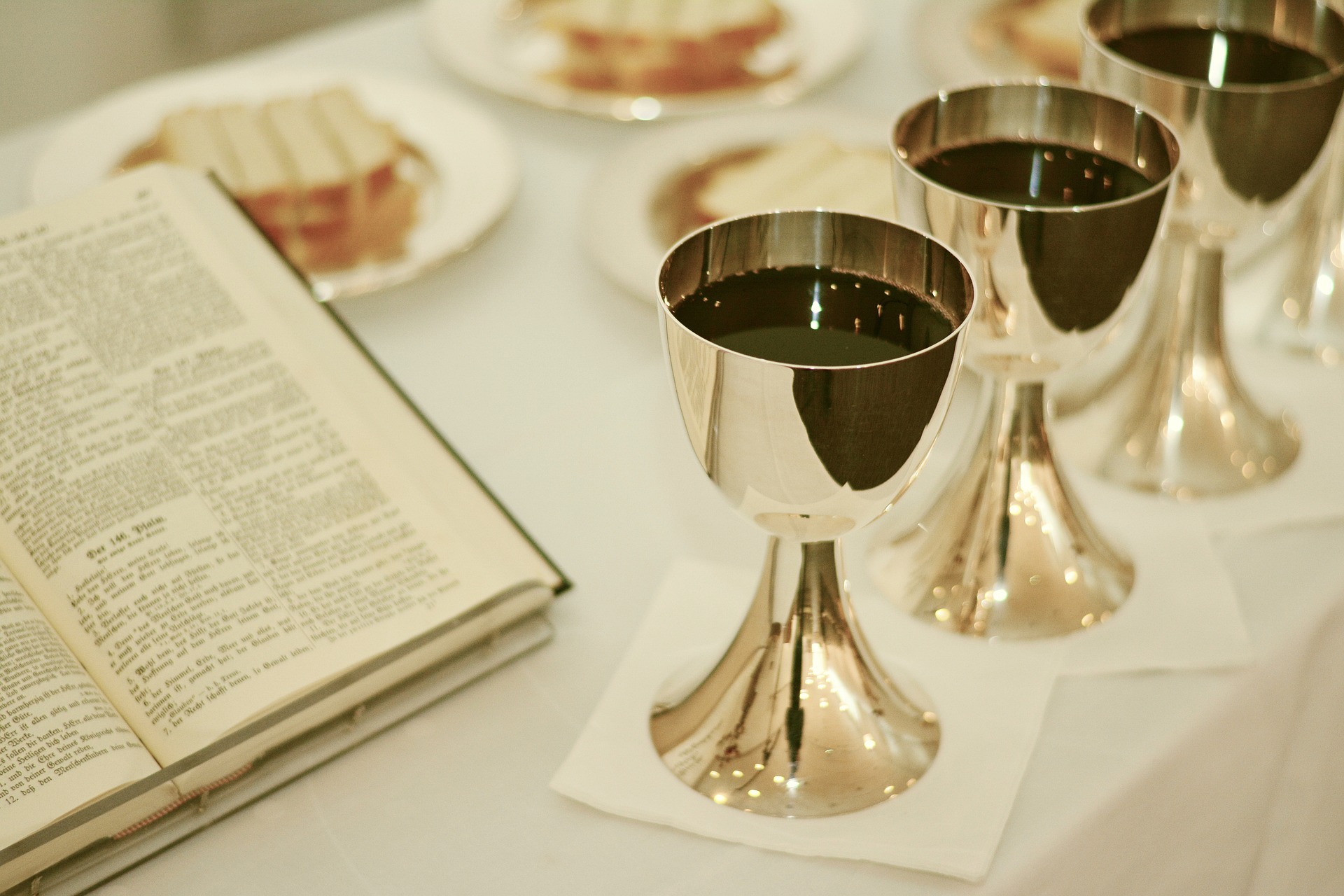
Water: Communion Cup/Chalice
“This cup is the new testament in my blood: this do ye, as oft as ye drink it, in remembrance of me.” -1 Corinthians 11:25 KJV

Air: Rod of Aaron
“The rod of Aaron for the house of Levi was budded, and brought forth buds, and bloomed blossoms, and yielded almonds.” -Numbers 17:8b KJV