
Unveiling the Mysteries of the Restoration
What if the Restoration was never meant to be simply the restoration of a church? What if Joseph Smith’s first vision was not only the beginning of a new religious movement, but an invitation, a doorway into a much older and deeper spiritual reality?

Temples & Sacred Geometry Part 8: The Temple Walk
Ultimately, every pattern explored throughout this series points toward one Being: Jesus Christ. Yes, Jesus Christ is the true Temple, He is Jacob’s Ladder joining heaven and earth.
Temples & Sacred Geometry Part 7: From Invitation to Ascent
Do not let yourselves be conformed to the standards of the ‘olam hazeh (the world). Instead, keep letting yourselves be transformed by the renewing of your minds; so that you will know what God wants and will agree that what he wants is good, satisfying and able to succeed.” –Romans 12:2 In the last section, we touched on the numbers God has given us for the measurements of the Holy of Holies and how they can teach us about ourselves and our connection with God. At the end, we glanced at the connection of those numbers themselves as they connected to one another and our journey. In this segment, we will dive a little deeper into this concept. From Receiving to Becoming But to as many as did receive him, to those who put their trust in his person and power, he gave the right to become children of God.”…
Temples & Sacred Geometry Part 6: Numbers, Space, and the Presence of God
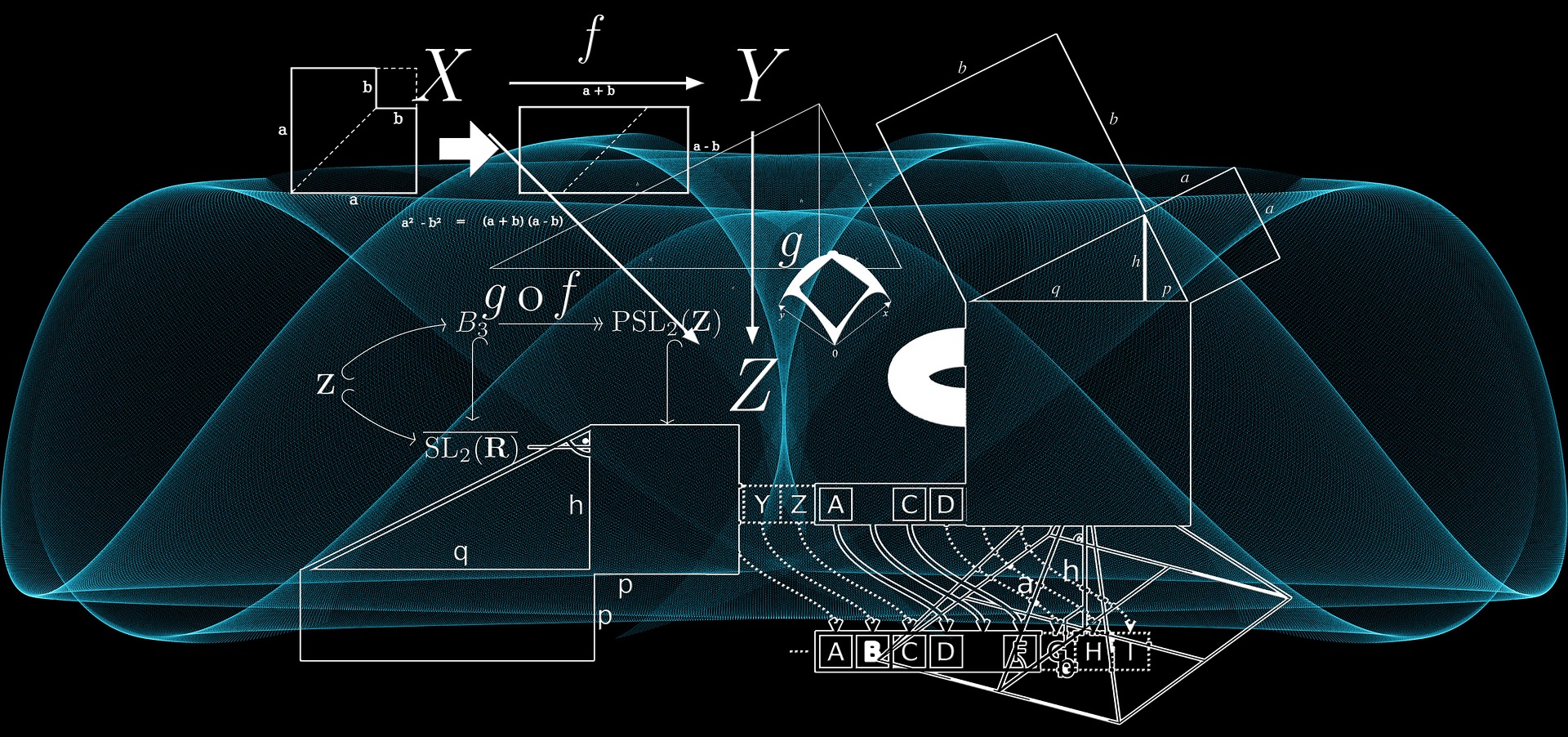
Let’s take this topic to its most basic level: the practice of paying attention to the ways shape, proportion, number, space, and physical design can communicate spiritual ideas.

Wrestling with the Words
A revelation given to David on August 19, 2026, on the study and translation of Scripture. After a discussion on translating Scripture into various languages on August 18, 2026, I began to think about the process I have been given to translate the Plates of Brass. While it is a type of vision where I am taken in spirit to a cave, the plates are metal, the text unchanging; and while the Hebrew words appear to be a more modern understanding of the text compared to the Biblical authors, it also rests in the flames unchanged. Yet the English is more pliable; I am given options to feel out, not a word-for-word transcription, and even after I type out the translation, I am able to make changes to the text—there is no “perfect” translation. While I have been permitted to write down symbols from the Egyptian and various words from…
Temples & Sacred Geometry Part 5: Shape and Form
We are not merely human beings divided into work, play, and families. What we do in each segment of our lives bleeds into the others to make us whole. When we find balance in Christ Jesus, we truly connect with the Presence of God.

Temples & Sacred Geometry Part 4: Building Zion
And they had all things common among them; therefore, they were not rich and poor, bond and free; but they were all made free and partakers of the heavenly gift. ” –4 Nephi 1:4 [1:3] For many people, the word temple brings to mind sacred architecture, a beautiful building set apart from the ordinary world. Throughout scripture, mountains, sanctuaries, tabernacles, and holy cities have served as places where the Heavens and the earth meet. Yet if the story of the Restoration teaches us anything, it is that God never intended His presence to remain confined within walls of stone. The temple eventually leaves the mountains. The true temple(s) walks into villages, entering homes where it/they sit(s) around dinner tables. Visiting hospitals, it/they embrace(s) the lonely, welcome(s) strangers, and feed(s) the hungry. True temple(s) comfort(s) those who mourn. The true temple(s) is/are not diminished when leaving sacred buildings. Rather, this fulfills its true…

Meeting in the Garden
On this evening, while in meditation, focusing the group and the Holy Spirit, I was taken into a vision. In the vision, I was in a garden with all those in attendance. It was a beautiful, lush garden filled with food. It was a paradise that I would call Eden. There was a yellow and white light illuminating the garden, and a path in view.

Temples & Sacred Geometry Part 3: Becoming the Living Temple
The purpose of sacred architecture is not merely to build holy buildings, it is to build a holy people.
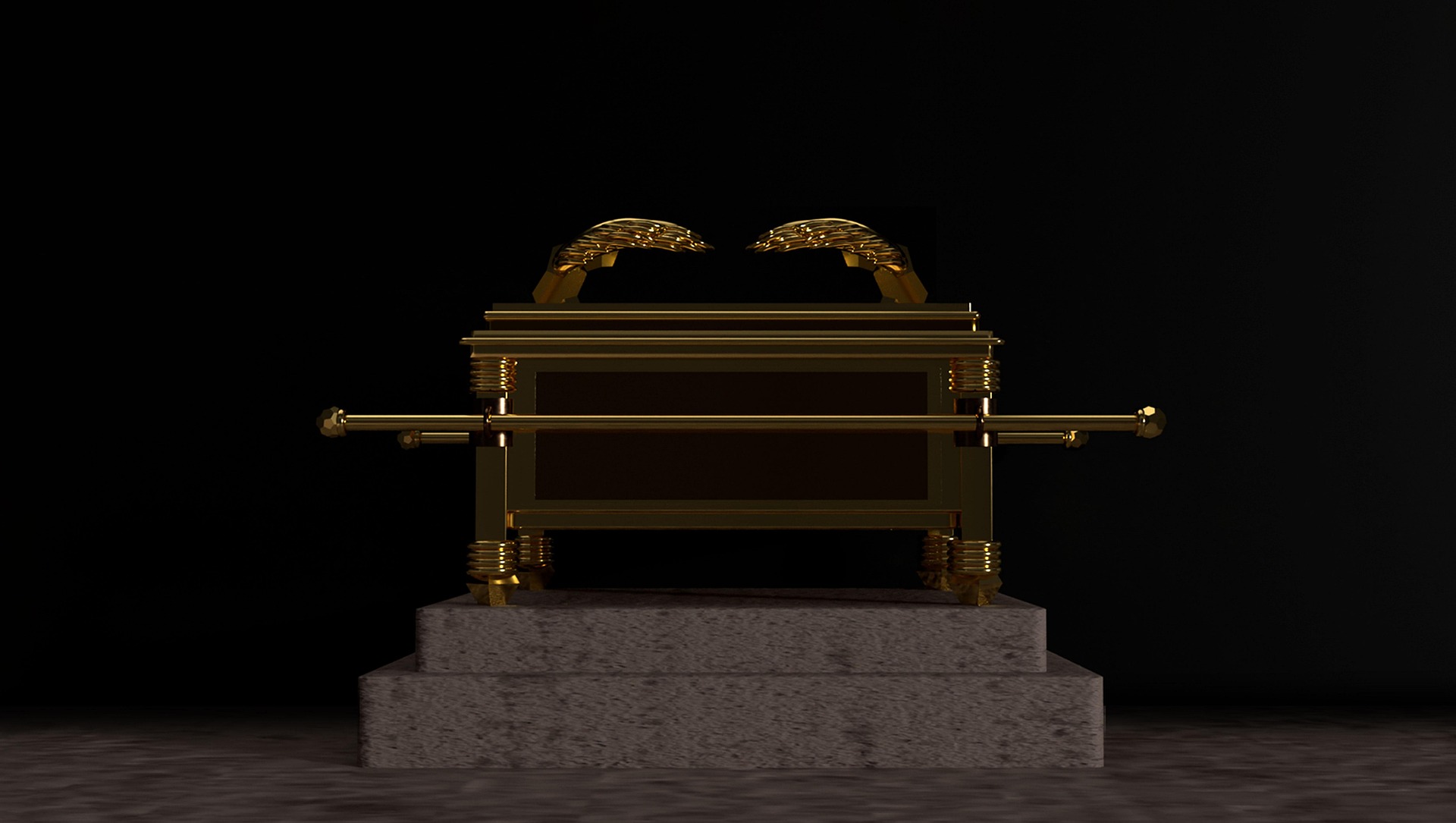
Temples & Sacred Geometry Part 2: The Restoration as Living Creation
Rather than viewing sacred architecture as static, in Mormon Kabbalah we see every temple as a living lesson. Each one expands our understanding of God’s relationship with humanity.

Temples & Sacred Geometry Part 1: The Pattern of Heaven
Throughout history, people have been drawn to sacred places. Across cultures and civilizations, mountains, temples, circles of stone, gardens, tabernacles, and sanctuaries have been built with remarkable care and intention.

A Forgotten Prophetess Returns
Neum’s teachings also emphasize the dignity and worth of every human being. Because every person bears the Light of Christ, every person deserves compassion, respect, and an opportunity to grow.