

Illuminating the Restoration
Well, whatever you do, whether it’s eating or drinking or anything else, do it all so as to bring glory to God.”
–1 Corinthians 10:31, Complete Jewish Bible (CJB)
If you’ve ever felt there must be more to faith than simply attending church on Sunday, if you’ve ever sensed that God is still speaking, or if you’ve longed for a deeper, more personal relationship with Jesus Christ, then welcome to Mormon Kabbalah. We’re glad you’re here!
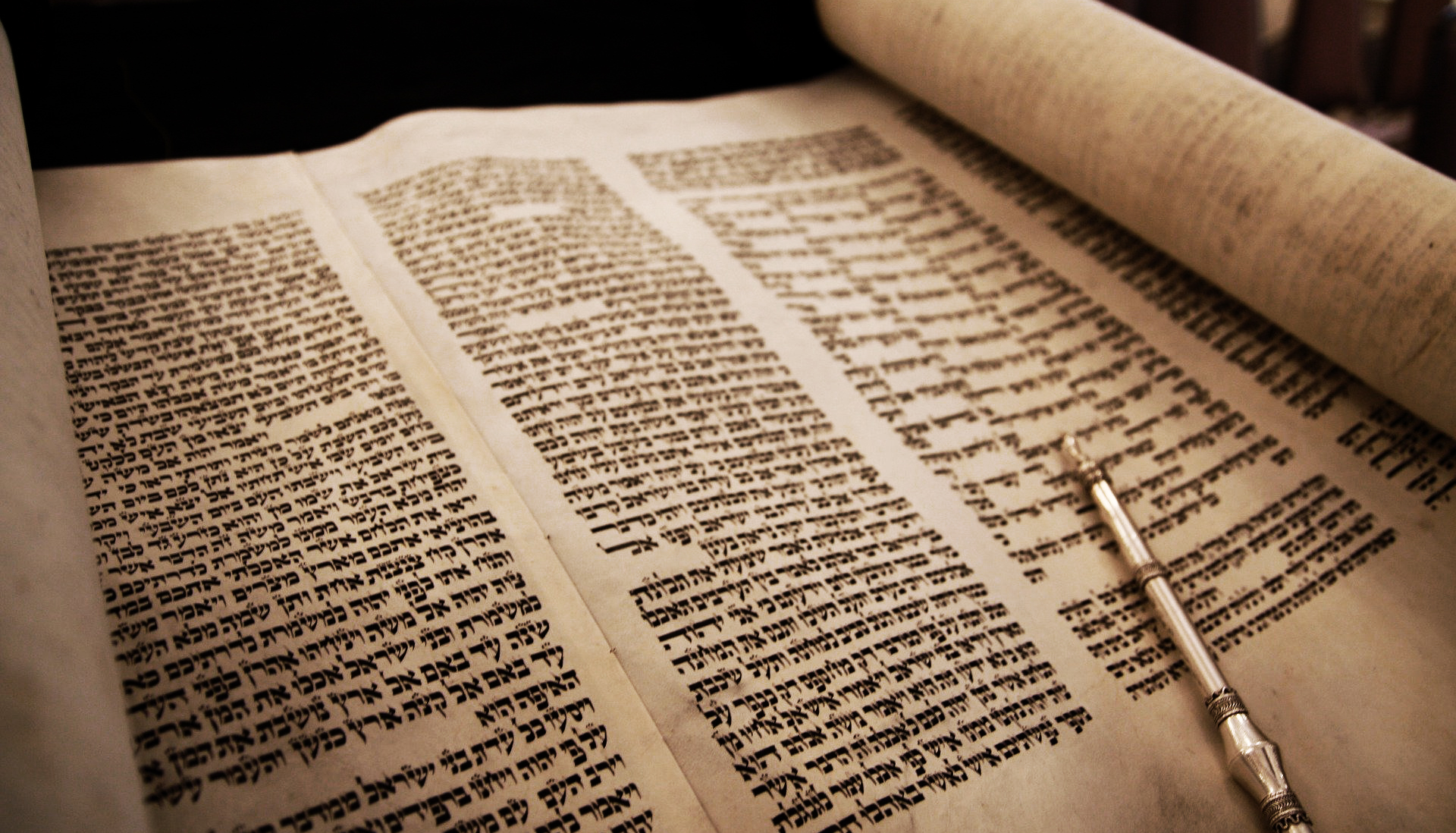
10 Teachings from the Torah of Moses (Plates of Brass Part I)
Here, I will present ten teachings that introduce some of the most important themes in this sacred text. It is my prayer that this will give readers a glimpse into how the Torah continues to speak to seekers today.

God Loves His LGBTQ Children
As to thy call, my Fellowship, to unite my people, I say: accept those that all others reject with hope, joy, and happiness. Worry not that there are those that judge others by the color of their skin, or their gender or sexual orientation, or in any way, for those who seek to hear my voice and heed my call must soften their hearts to these, my children. Homosexuality is neither a sin, nor a confusion, it is an eternal principle, for thus did I create them; and so too are my transgender children; therefore, exclude them not, hide them not, and forgo them not; for these are my children, and I say unto thee: bring these children unto me. Worry not what the world shall say unto thee for obeying my Law and my doctrine, but be thou obedient and thy tolerance shall be a light in the darkness; but know that this is my light, the very light of Christ, and the darkness shall comprehend it not; therefore, let my love and my light shine forth through the darkness that these, my children, shall no longer be lost, but be found in me and find a home in thee. This is my commandment to my Church and my Kingdom, yea even all my Saints that wish to fellowship in my name; so mote it be, Amen.” -Doctrines of the Saints 125:33-40
Editor’s note: This article contains topics of a more sensitive nature discussing sex and sexuality. Reader discretion is advised. This article was originally posted in July of 2019.
In the Church of Jesus Christ in Christian Fellowship we fully accept the LGBTQ community. We will marry and/or seal same-sex couples for all time and eternity. The Fellowship fully supports all marriages based on unity, love, and a committed relationship with God. We encourage everyone to follow the law of Christ to the best of their abilities. In the Fellowship of Christ, all unions and marriages may be sealed for all time and eternity.

10 Teachings from the Book of Mormon
For many people, the Book of Mormon can seem like a large and unfamiliar book filled with ancient names, journeys, sermons, and prophecies. Yet beneath its historical narratives lies a remarkably consistent set of teachings about God, humanity, and the purpose of life. Its prophets return again and again to a handful of foundational principles: faith in Jesus Christ, compassion for others, personal responsibility, spiritual growth, and the hope of redemption.
Teshuvah in the Torah of Moses from the Plates of Brass
Teshuvah is not merely something we do, as human beings, re-aligning ourselves with God. It is as an act of love and mercy on God’s part.

5 Ideas from the Mormon Kabbalah Creation Story
Human beings have always asked the same big questions: Why are we here? Where did we come from? Why do we feel homesick for something we cannot quite remember?
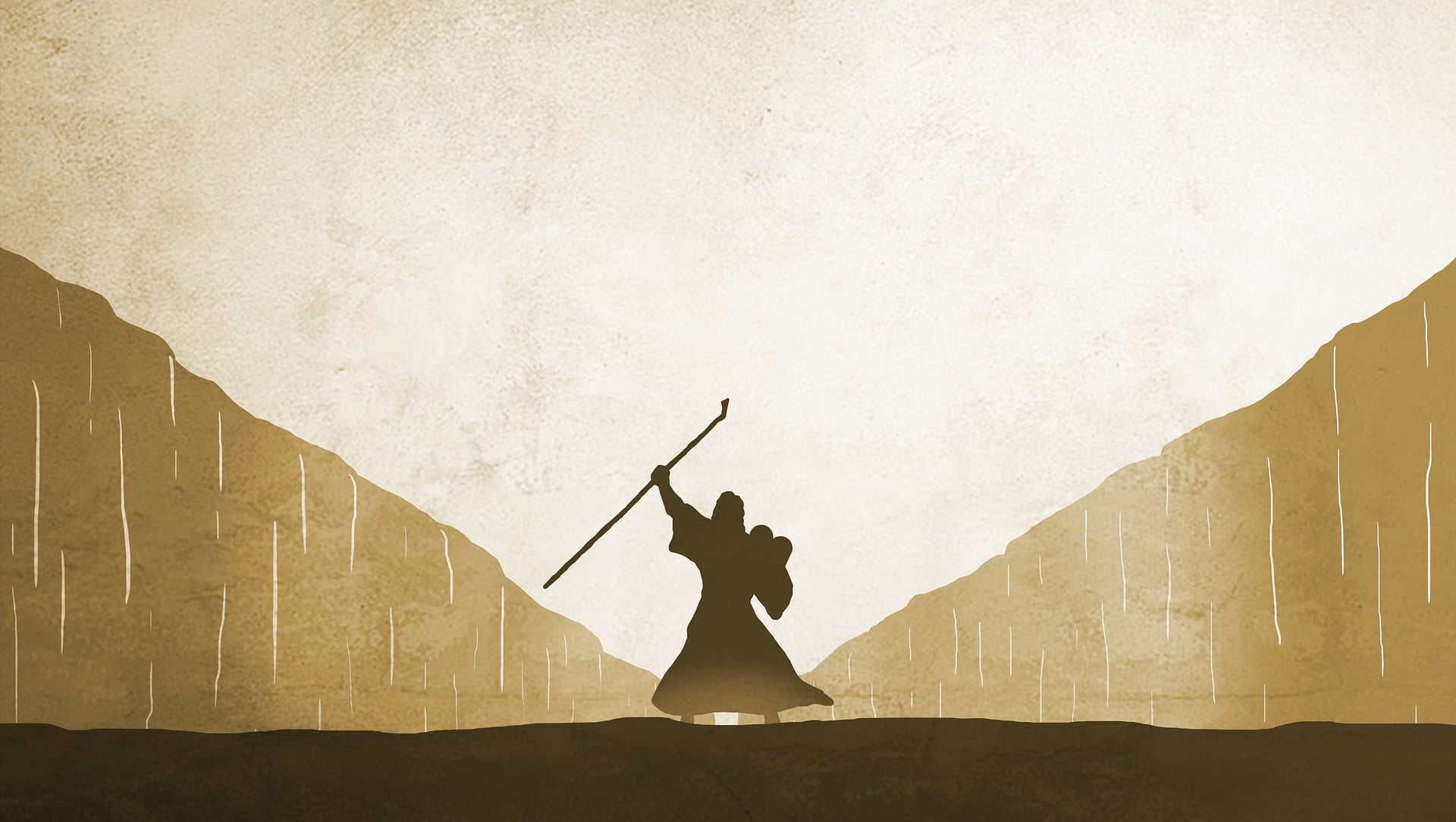
Chereb of the Saints
Therefore, I shall give unto thee my sword, that I will stretch out my hand and smite Egypt with the many wonders which I will do in the midst thereof; and after that Pharaoh will let you go, and I will give this people favor in the sight of the Egyptians.” –3 Moses 29-30
One thing I noticed while reading the scriptures growing up, which seemed to be bypassed or ignored at church, is that prophets and holy men in scripture carry around a surprising number of unusual objects. Moses had a staff, Lehi had the Liahona, Joseph Smith had a Seer Stone, etc. When I would ask about it, people would say that was how things were, if they answered at all. As a child, that pacified me, and I grew into a similar opinion, that they were just a subpart of the stories. The answer is actually much deeper, and far less strange, than it first appears.
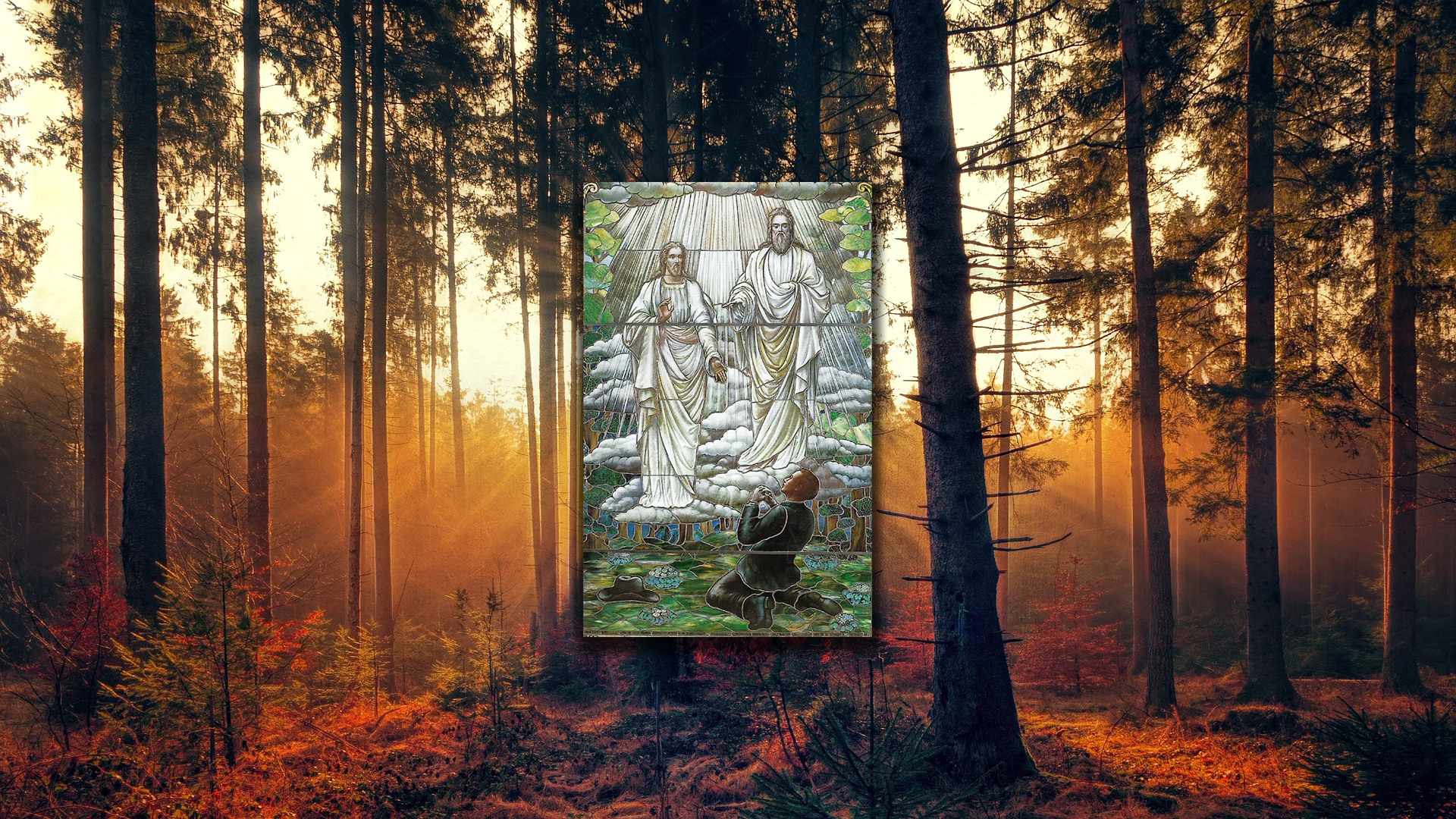
Lo Here, and Lo There
“I was answered that I must join none of them, for they were all wrong, and the personage who addressed me said that all their creeds were an abomination in His sight: that those professors were all corrupt; He said: They draw near to me with their lips, but their hearts are far from me; they teach for doctrines the commandments of men: having a form of godliness, but they deny the power thereof.” -Avahr 6:33-36
When Joseph Smith Jr. walked into the grove to pray, after reading James 1:5, he had a miraculous experience. We do not know exactly what occurred, but we do know that he had a revelation. The different versions of this vision or revelation may be studied in Appendix 1 of the Book of Avahr. The thing they all have in common is that he was told not to join any of the denominations he had explored. Why not? And does this revelation mean that all churches were evil? And if they were, are they still today?

Turning Inward to Serve Outward
In Mormon Kabbalah, your relationship with God is very personal. No one else can create it for you. It cannot be inherited, borrowed, or performed outwardly without inward reality. True religion begins when you choose to turn your heart toward God.

The Role of the Teacher in the School of the Prophets
In the School of the Prophets, the role of a Teacher may feel very different from what many people are used to in traditional religious settings. Instead of focusing on strict rules or telling people exactly what to believe, the Teacher helps guide others in learning how to seek God for themselves.

The Seven Steps of Mormon Kabbalah
Mormon Kabbalah offers a simple but profound pattern, a series of spiritual steps that describe how the soul transforms, grows, and participates in God’s work. These steps are not rigid stages, but a living path.

The Path From Fall to Ascension
For those just beginning to explore Mormon Kabbalah, one of the first things you may notice is that its teachings about spiritual growth can feel very different from what you may have learned before. In many religious and mystical traditions, the goal is often described as rising above the world. Many spiritual paths speak of leaving behind the struggles of mortal life and ascending into a higher, more spiritual state. The physical world is sometimes seen as something to escape. Mormon Kabbalah offers a very different vision.