
Unveiling the Mysteries of the Restoration
What if the Restoration was never meant to be simply the restoration of a church? What if Joseph Smith’s first vision was not only the beginning of a new religious movement, but an invitation, a doorway into a much older and deeper spiritual reality?
Temples & Sacred Geometry Part 8: The Temple Walk
Ultimately, every pattern explored throughout this series points toward one Being: Jesus Christ. Yes, Jesus Christ is the true Temple, He is Jacob’s Ladder joining heaven and earth.
Temples & Sacred Geometry Part 7: From Invitation to Ascent
Do not let yourselves be conformed to the standards of the ‘olam hazeh (the world). Instead, keep letting yourselves be transformed by the renewing of your minds; so that you will know what God wants and will agree that what he wants is good, satisfying and able to succeed.” –Romans 12:2 In the last section, we touched on the numbers God has given us for the measurements of the Holy of Holies and how they can teach us about ourselves and our connection with God. At the end, we glanced at the connection of those numbers themselves as they connected to one another and our journey. In this segment, we will dive a little deeper into this concept. From Receiving to Becoming But to as many as did receive him, to those who put their trust in his person and power, he gave the right to become children of God.”…
Temples & Sacred Geometry Part 6: Numbers, Space, and the Presence of God
Let’s take this topic to its most basic level: the practice of paying attention to the ways shape, proportion, number, space, and physical design can communicate spiritual ideas.
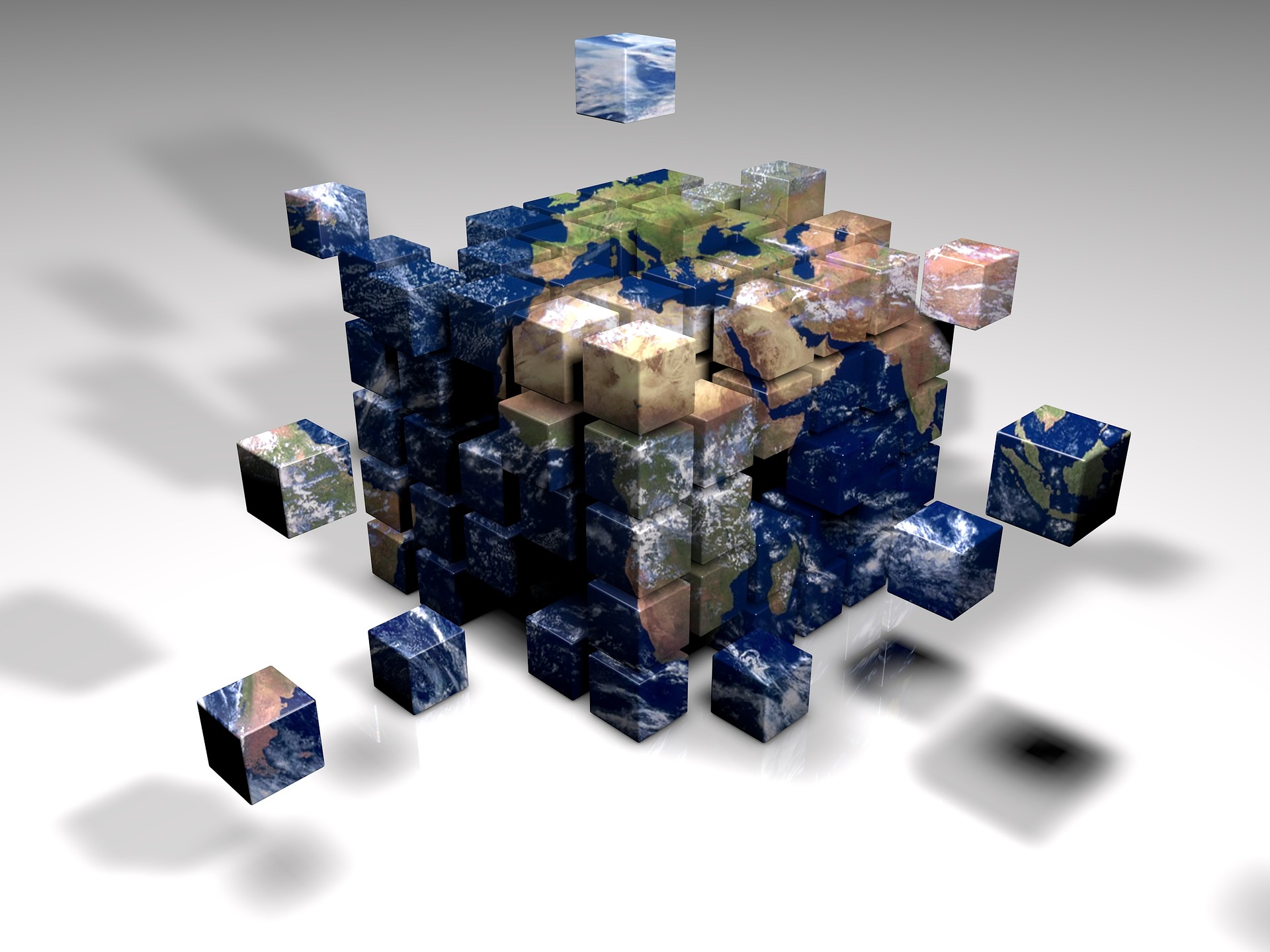
Temples & Sacred Geometry Part 5: Shape and Form
We are not merely human beings divided into work, play, and families. What we do in each segment of our lives bleeds into the others to make us whole. When we find balance in Christ Jesus, we truly connect with the Presence of God.

Temples & Sacred Geometry Part 4: Building Zion
And they had all things common among them; therefore, they were not rich and poor, bond and free; but they were all made free and partakers of the heavenly gift. ” –4 Nephi 1:4 [1:3] For many people, the word temple brings to mind sacred architecture, a beautiful building set apart from the ordinary world. Throughout scripture, mountains, sanctuaries, tabernacles, and holy cities have served as places where the Heavens and the earth meet. Yet if the story of the Restoration teaches us anything, it is that God never intended His presence to remain confined within walls of stone. The temple eventually leaves the mountains. The true temple(s) walks into villages, entering homes where it/they sit(s) around dinner tables. Visiting hospitals, it/they embrace(s) the lonely, welcome(s) strangers, and feed(s) the hungry. True temple(s) comfort(s) those who mourn. The true temple(s) is/are not diminished when leaving sacred buildings. Rather, this fulfills its true…

Temples & Sacred Geometry Part 3: Becoming the Living Temple
The purpose of sacred architecture is not merely to build holy buildings, it is to build a holy people.
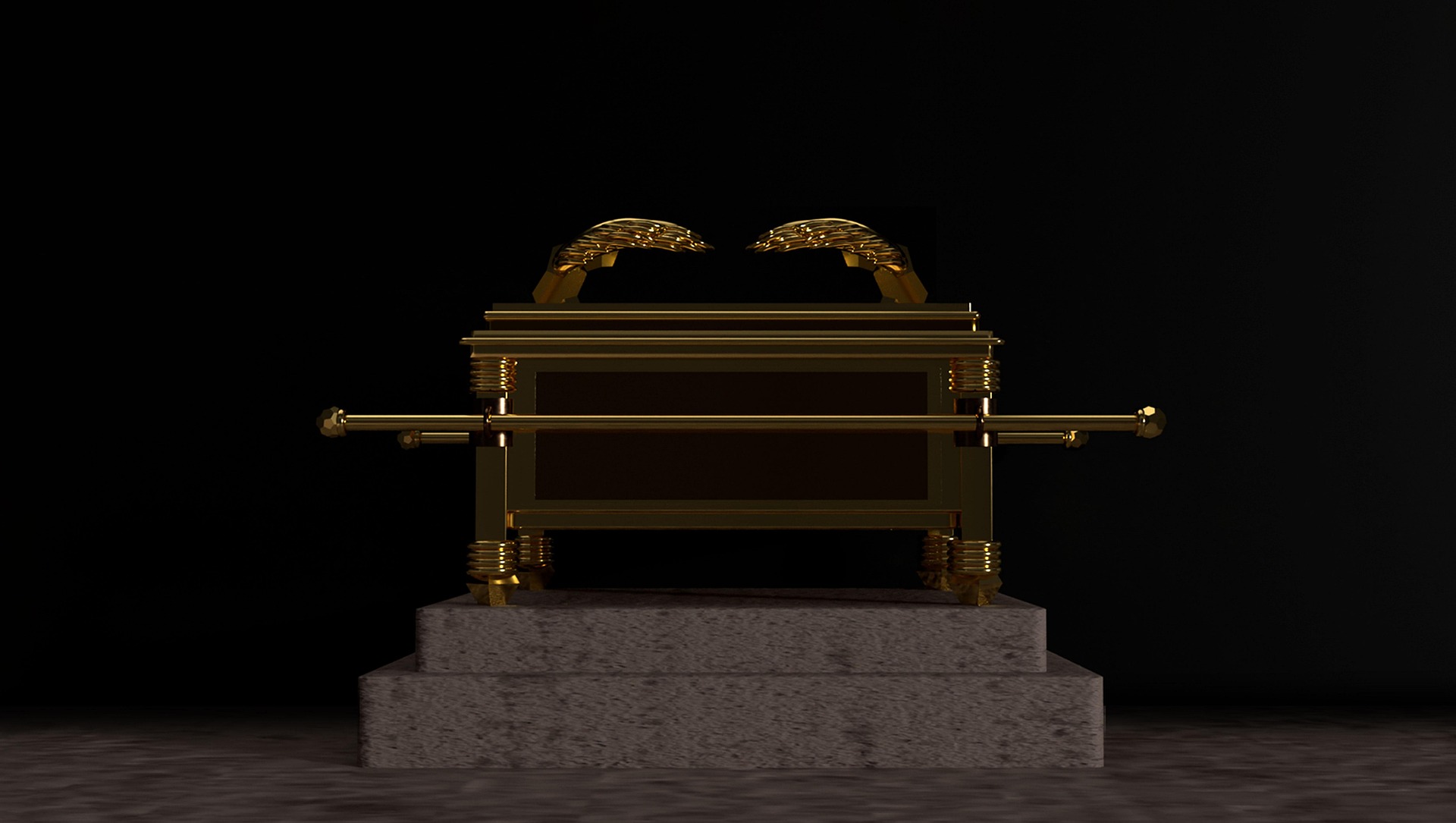
Temples & Sacred Geometry Part 2: The Restoration as Living Creation
Rather than viewing sacred architecture as static, in Mormon Kabbalah we see every temple as a living lesson. Each one expands our understanding of God’s relationship with humanity.
Temples & Sacred Geometry Part 1: The Pattern of Heaven
Throughout history, people have been drawn to sacred places. Across cultures and civilizations, mountains, temples, circles of stone, gardens, tabernacles, and sanctuaries have been built with remarkable care and intention.
Teshuvah in the Torah of Moses from the Plates of Brass
Teshuvah is not merely something we do, as human beings, re-aligning ourselves with God. It is as an act of love and mercy on God’s part.
Turning Inward to Serve Outward
In Mormon Kabbalah, your relationship with God is very personal. No one else can create it for you. It cannot be inherited, borrowed, or performed outwardly without inward reality. True religion begins when you choose to turn your heart toward God.
What is Sin?
“By the deeds of the law there shall no flesh be justified in his sight: for by the law is the knowledge of sin. But now the righteousness of God without the law is manifested, being witnessed by the law and the prophets; even the righteousness of God which is by faith of Jesus Christ unto all and upon all them that believe: for there is no difference: for all have sinned, and come short of the glory of God.” -Romans 3:20-23
We have been told to abandon sin, to forsake sin, and not to sin. But what is sin? What does it mean to sin? And once we know, how do we avoid it?