
Rechilus
Slander, gossip, talebearer; these are all types of lashon hara (Hebrew: “evil speak”) that fall under the sin of rechilus. The word rechilus comes from the root “rachil,” Hebrew for “a peddler.” This is because a rechilus act is just that: peddling gossip, or ill will towards another.
Ayin Lamed Mem
“Return, O Lord, deliver my soul: oh save me for thy mercies’ sake.” -Psalms 6:4 KJV
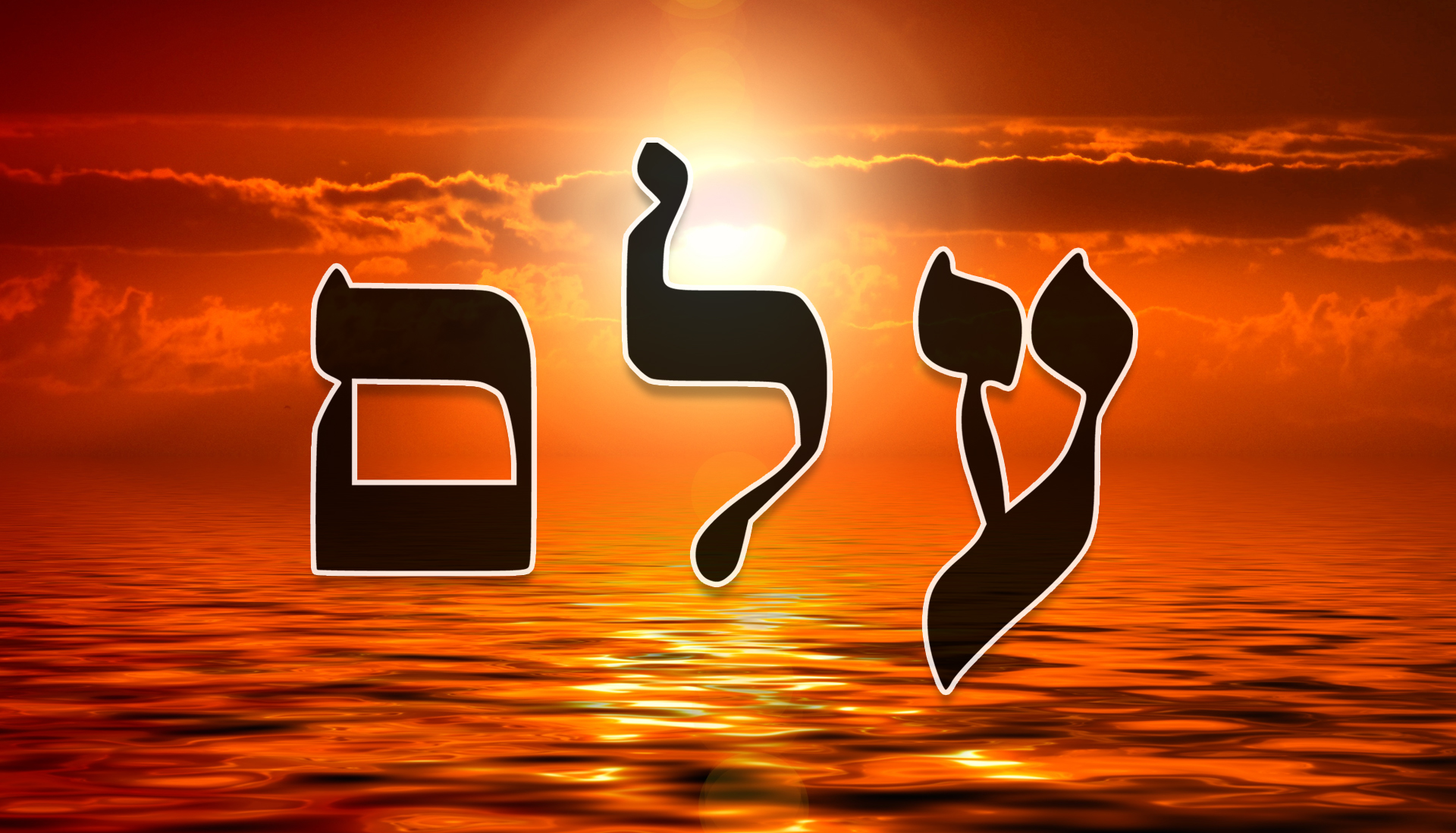
Ayin Lamed Mem is a meditation to help us remove negative emotions or thoughts. Negative emotions feed Ego, and we think selfishly as fear and panic rule us. Ayin Lamed Mem reminds us that God’s divine providence is by our side. As we find our centers and detach ourselves from negative influences, balance and harmony return to us.

The Four Levels of Pardes
Pardes is like climbing Jacob’s ladder. An extended meaning never contradicts the base meaning, but rather expand our understanding.

Nishmat Chayyim and the Fohatic Keys
“In my distress I called upon the Lord, and cried unto my God: he heard my voice out of his temple, and my cry came before him, even into His ears.” -Psalms 18:6
We are called to be stewards over all creation. One aspect that we do not necessarily think about is our energy, because we don’t see it as physical. It is such a part of us we seem to take it for granted. It is our vital force, the נשימת החיים, the nishmat chayyim-Hebrew for “Breath of Life,” called our Prana, the universal energy that infuses and vitalizes all matter, in Yoga.
The Tzitzit and the Law
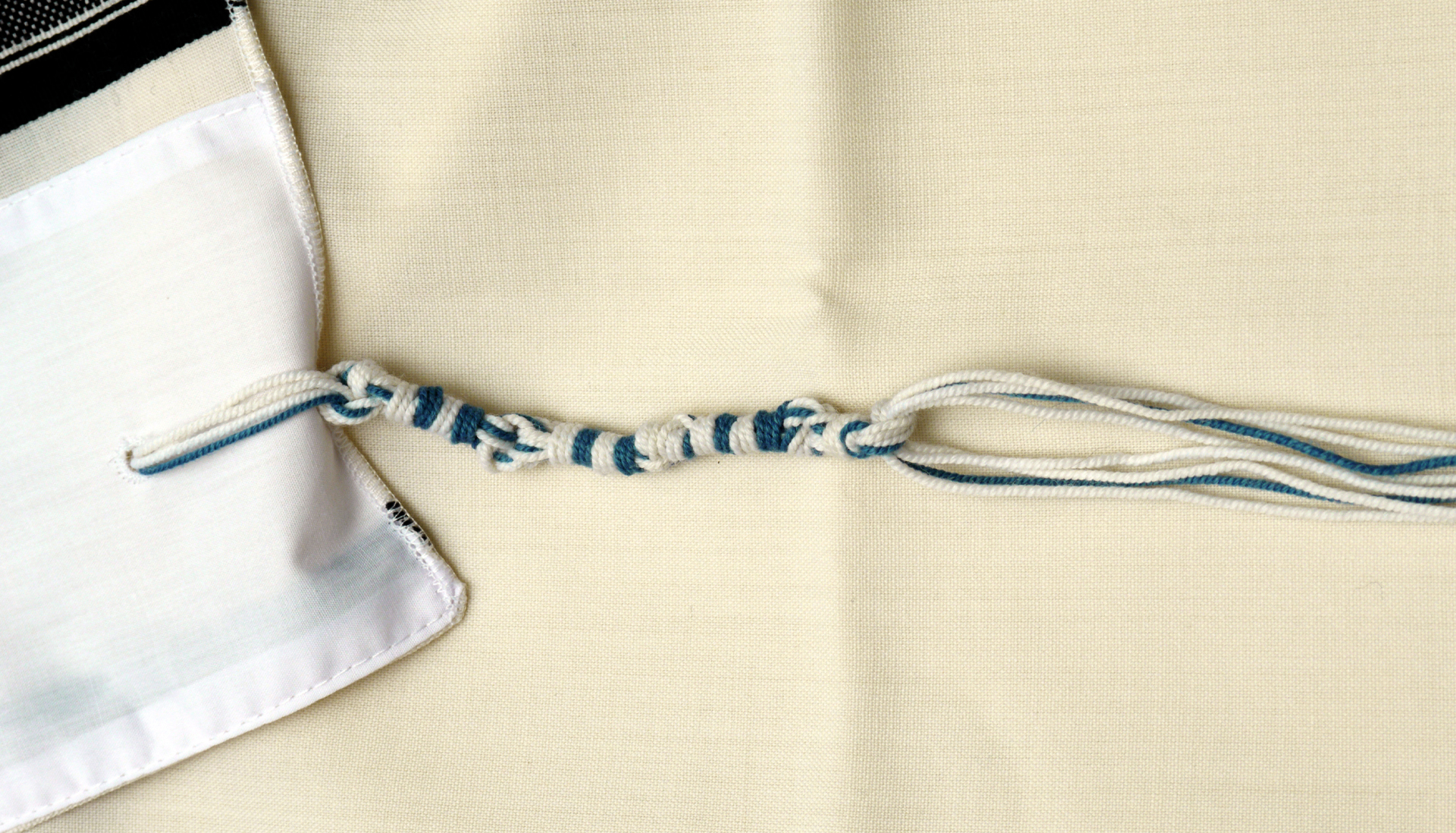
For Mormon Kabbalists, the Law is two fold: the spiritual and the practical. For us, the spirit of the Law is now alive in Christ.

Ayin Hara and the Red Bracelet
“I pray the God of my salvation that He view me with His all-searching eye.” -2 Nephi 6:87 RAV, 9:43c OPV
One of the most well known traditions in Kabbalah may be the red or scarlet bracelet worn by practitioners. It is חוט השני, Hebrew for “scarlet string.” It is worn as a talisman to ward off misfortune said to be brought about by עין הרע (ayin hara), the “evil eye.” In Mormon Kabbalah we also carry out this tradition.

Da’at
“Thou shalt not take the name of the Lord thy God in vain; blessed are ye when men shall revile you, and persecute, and shall say all manner of evil against you falsely, for my sake, for ye shall have great joy and be exceeding glad, for great shall be your reward in heaven.” –Book of the Law of the Lord 1:2/3 Nephi 5:58 RAV, 12:11-12 OPV
The 10 Sefirot (Hebrew for “emanations”) are the 10 attributes of God in Kabbalah, through which Ein Sof (the Everlasting name of God) reveals Himself/Themselves to humankind. There are a few different ways of using the Sefirot. Some Kabbalists study and grow from attribute to attribute, while others see them as an urim and thummim. As an urim and thummim, the right and left sides create a series of “lenses” for the natural eyes, while the center creates a series of “lenses” for the third or spiritual eye. Through this urim and thummim, God helps us see both the physical realm and the chain of higher metaphysical realms.
Keter
“THOU shalt love the Lord thy God with all thy heart, and with all thy might, and with all thy strength; let your light so shine before this people, that they may see your good works and glorify your Father who is in heaven.” –Book of the Law of the Lord 1:1/3 Nephi 5:63 RAV, 12:16 OPV
The 10 Sefirot (Hebrew for “emanations”) are the 10 attributes of God in Kabbalah, through which Ein Sof (the Everlasting name of God) reveals Himself/Themselves to humankind. There are a few different ways of using the Sefirot. Some Kabbalists study and grow from attribute to attribute, while others see them as an urim and thummim. As an urim and thummim, the right and left sides create a series of “lenses” for the natural eyes, while the center creates a series of “lenses” for the third or spiritual eye. Through this urim and thummim, God helps us see both the physical realm and the chain of higher metaphysical realms.

Malchut
“Thou shalt not covet thy neighbors’ inheritance; blessed are the poor in spirit who come unto me, for theirs is the kingdom of heaven.” –Book of the Law of the Lord 1:10/3 Nephi 5:50 RAV, 12:3 OPV
The 10 Sefirot (Hebrew for “emanations”) are the 10 attributes of God in Kabbalah, through which Ein Sof (the Everlasting name of God) reveals Himself/Themselves to humankind. There are a few different ways of using the Sefirot. Some Kabbalists study and grow from attribute to attribute, while others see them as an urim and thummim. As an urim and thummim, the right and left sides create a series of “lenses” for the natural eyes, while the center creates a series of “lenses” for the third or spiritual eye. Through this urim and thummim, God helps us see both the physical realm and the chain of higher metaphysical realms.

Yod Hei and the Priesthood
“Trust ye in the YHVH forever: for in YH, YHVH is everlasting strength.” -Isaiah 26:4
There is a two-letter name for God: YH (יה), or Yod Hei, pronounced “Yah.” There is a misunderstanding that this is a shortened form of YHVH or Yahveh, more commonly Jehovah. However, this name of God is actually the lost teaching of the Parent Gods, Elohim: Avinu (God the Father) and His wife Shekinah (the Queen of Heaven). To some this will mean the male and female portions on the one divine being. To others, it will refer to two separate Gods, equals in all things, sealed as one for eternity.
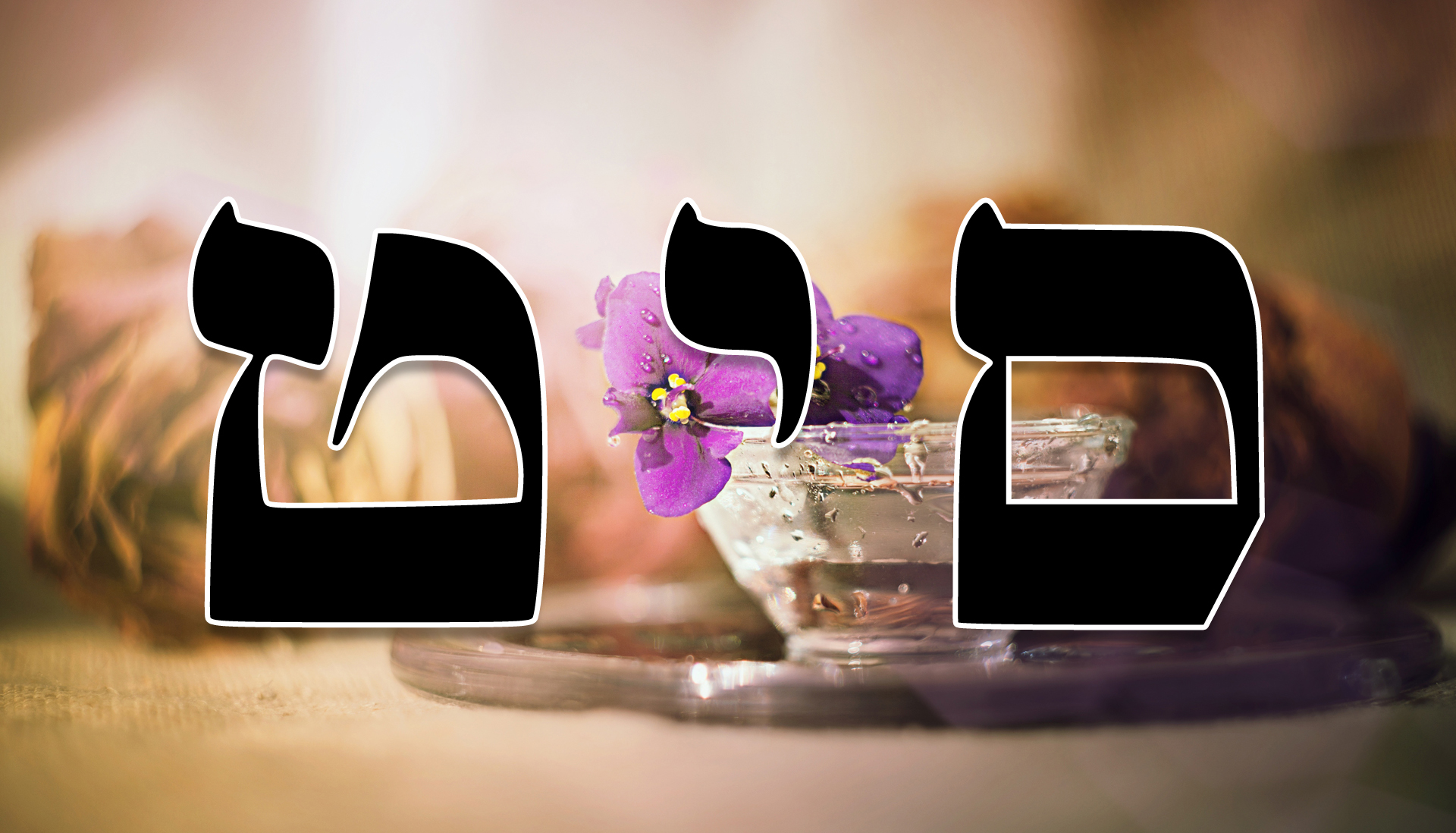
Samekh Yod Tet
“I will say of YHVH, He is my refuge and my fortress: my God; in him will I trust.” -Psalm 91:2
The third Name of God may be used to prepare ourselves both for miracles to come into our lives, and to preform miracles in God’s name. Is anyone sick? Samekh Yod Tet is a mantra for healing.

Yesod
“Thou shalt not bear false witness; blessed are all they that mourn, for they shall be comforted.” -Book of the Law of the Lord 1:9/3 Nephi 5:51 RAV, 12:4 OPV
The 10 Sefirot (Hebrew for “emanations”) are the 10 attributes of God in Kabbalah, through which Ein Sof (the Everlasting name of God) reveals Himself/Themselves to humankind. There are a few different ways of using the Sefirot. Some Kabbalists study and grow from attribute to attribute, while others see them as an urim and thummim. As an urim and thummim, the right and left sides create a series of “lenses” for the natural eyes, while the center creates a series of “lenses” for the third or spiritual eye. Through this urim and thummim, God helps us see both the physical realm and the chain of higher metaphysical realms.