

Binah
“And YHVH Elohim said: Behold, mankind has become like one of us, to know good and evil; and now, Father, I pray unto thee for them… that they may believe in me, that I may be in them as thou, Father, art in me, that we may be one.” –Genesis 3:22/3 Nephi 9:23 RAV, 19:23 OPV
The 10 Sefirot (Hebrew for “emanations”) are the 10 attributes of God in Kabbalah, through which Ein Sof (the Everlasting name of God) reveals Himself/Themselves to humankind. There are a few different ways of using the Sefirot. Some Kabbalists study and grow from attribute to attribute, while others see them as an urim and thummim. As an urim and thummim, the right and left sides create a series of “lenses” for the natural eyes, while the center creates a series of “lenses” for the third or spiritual eye. Through this urim and thummim, God helps us see both the physical realm and the chain of higher metaphysical realms.
The Everlasting Covenant
“And I will establish my covenant between me and thee and thy seed after thee in their generations for an everlasting covenant, to be a God unto thee, and to thy seed after thee.” -Genesis 17:7
When the Lord makes a covenant with is, he makes eternal covenants. For this reason, they are called an “everlasting covenant.” When God made a covenant with Noah that he wouldn’t flood the earth ever again, he made and everlasting covenant (Genesis 9:16). This means he will never break it.

Yod Lamed Yod
“But be not thou far from me, O Lord: O my strength, haste thee to help me.” -Psalms 22:19
The second Name of God may be used as a teshuvah meditation. It is used to recapture the spark of divine energy within us. This spark lights the fire of the Holy Spirit. Yod Lamed Yod is a mantra for meditation that can restore us with Christ’s Grace from both sin and the wear and tare of everyday life. It reminds us of who we truly are, and who’s we are, kindling the our divine fire. We are the Children of God, we were created in God’s image, spiritually and physically. Using this mantra reminds us of our divinity.

Wearing the Robes of the Priesthood
“And Moses brought Aaron and his sons, and washed them with water. And he put upon him the coat and girded him with the girdle and clothed him with the robe, and put the ephod upon him, and he girded him with the curious girdle of the ephod, and bound it unto him therewith.” -Leviticus 8:6-7 KJV
When performing ordinances that require the use of the priesthood, the Lord has asked that ordained men and women of the Fellowship wear the Robes of the Priesthood. They are known within the Fellowship as Tzniut, Hebrew for privacy, sometimes translated as “modesty” in the scriptures. Tzniut are not mandatory as this is a nondenominational movement. The revelation asking us to do was sustained by the body of the Fellowship April 6, 2019. For those that accept the revelations, the Lord has explained that the Robes of the Priesthood signify the authority held by those using their priesthood keys; that they have been endowed. Those that have been through a Latter Day Saint/Mormon temple’s endowment session, regardless of denomination, will likely recognize variations of the attire.
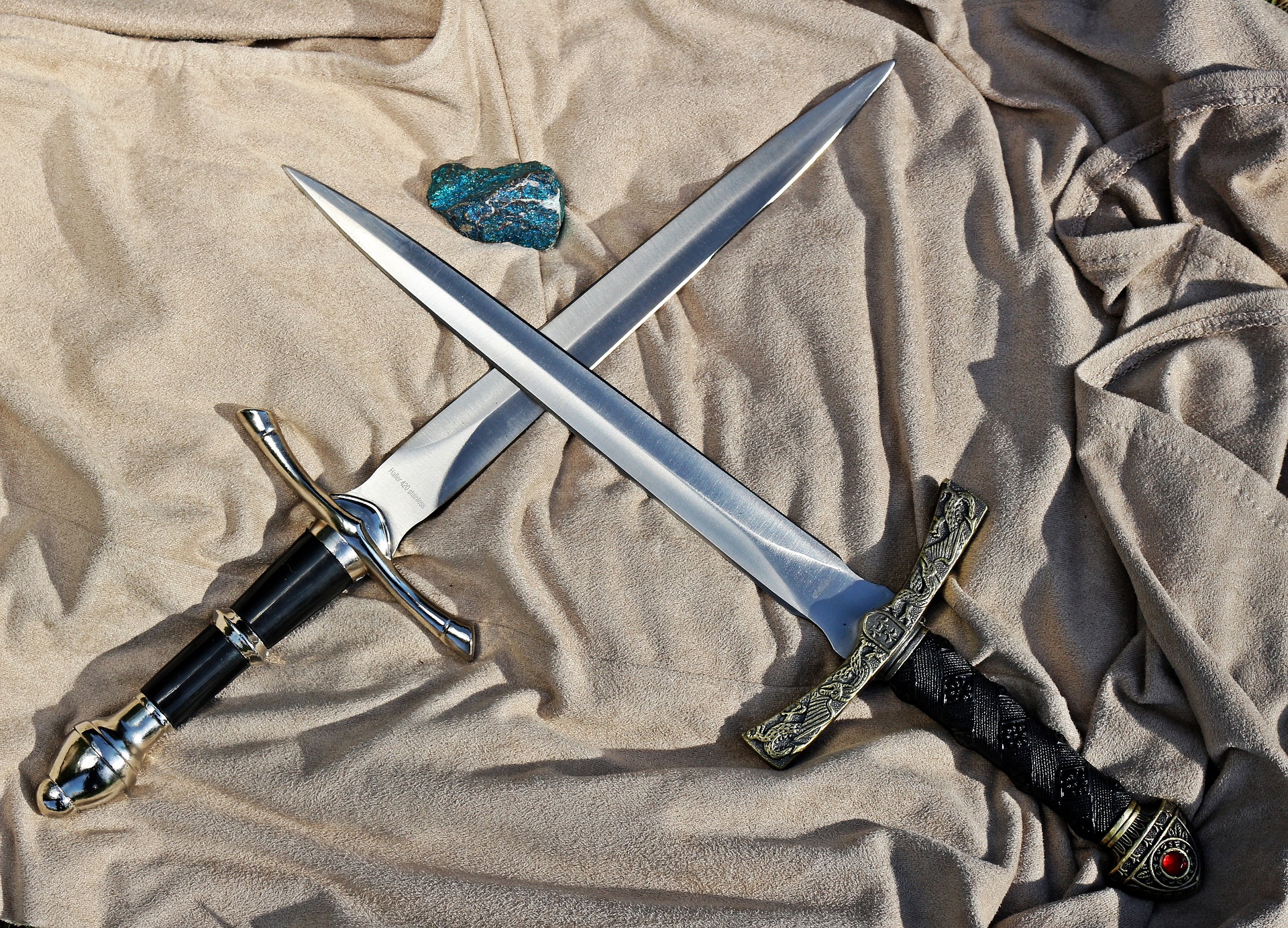
Fire: Athame
“Behold I am God, give heed unto my Word, which is quick and powerful, sharper than a two-edged sword, to the dividing asunder of both joints and marrow; therefore, give heed unto my Word.” -Avahr 24:20-21
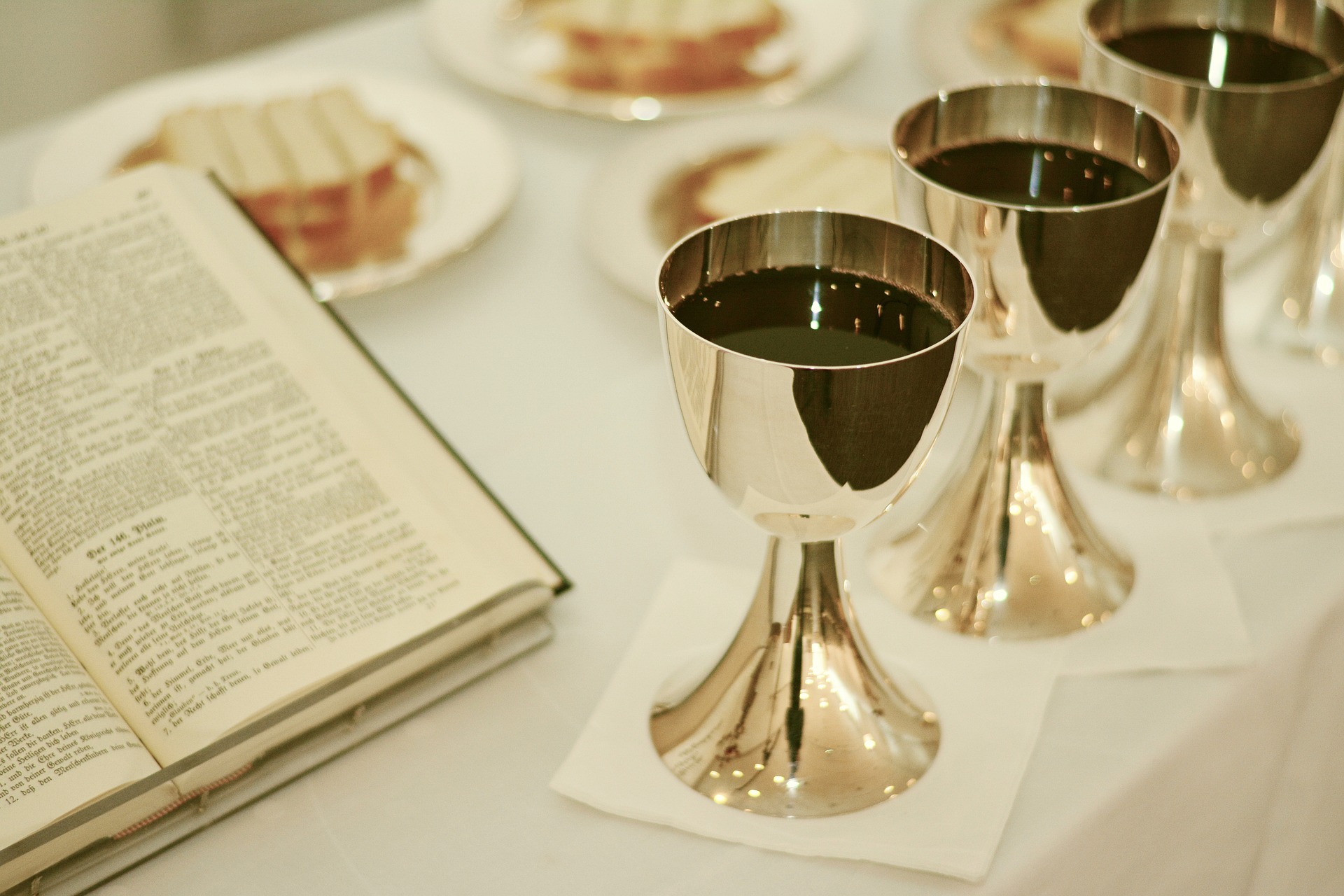
Water: Communion Cup/Chalice
“This cup is the new testament in my blood: this do ye, as oft as ye drink it, in remembrance of me.” -1 Corinthians 11:25 KJV
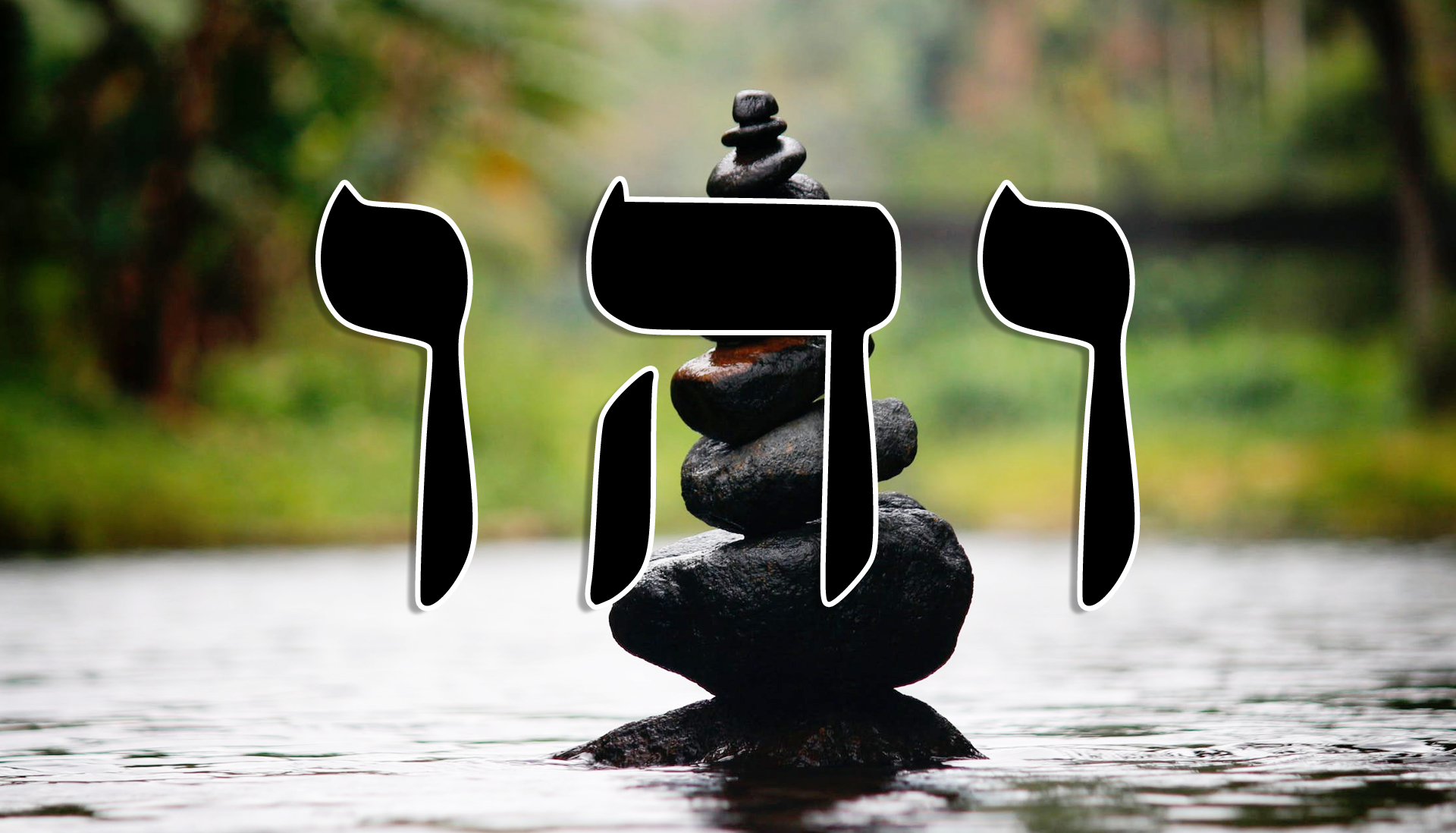
Vav Hei Vav
“But thou, O Lord, art a shield for me; my glory, and the lifter up of mine head.” -Psalms 3:3
This first Name of God can be used as a teshuvah meditation. It is used in this manner to look into and correct the past. Vav Hei Vav is a mantra for meditation that can protect us from shame as Christ’s Grace erases our embarrassment, confusion, and instability brought by sin. It emphasizes on the correction of past errors and helps assist us return to control. Using this mantras indicates remorse.
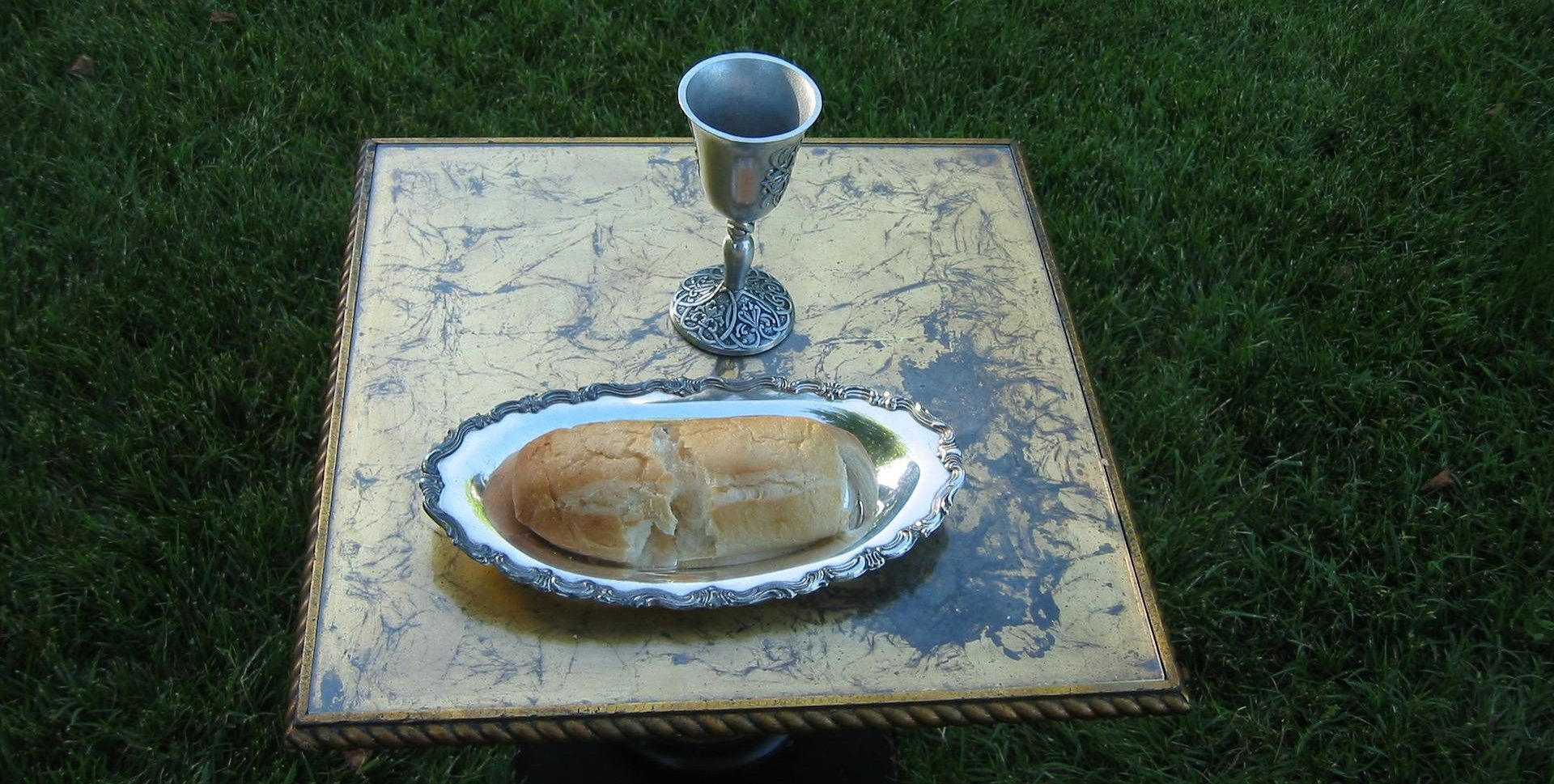
Earth: Panticle/Communion Plate
“And it came to pass, as he sat at meat with them, he took bread, and blessed it, and brake, and gave to them.” -Luke 24:30 KJV
Teshuvah: The Restoration
The restoration or mercy is the healing portion of Teshuvah. This has two parts. First, it completes the Return healing us, and second it heals us when we have been spiritually harmed by others.

Teshuvah: The Return
“Behold, God is my salvation; I will trust, and not be afraid; for the Lord Jehovah is my strength and my song; he also has become my salvation.” -Isaiah 12:2 KJV, 2 Nephi 9:133 RAV, 22:2 OPV
We have traveled through Keter, being Born Again. Next is Gevurah, Hebrew for “strength.” This is the fifth Sephirah in the Tree of Life. It is below Da’at, across from Chesed, and above Hod. Gevurah is the essence of Din (Arabic, “way of life”), or judgment, and limitation. And, it is fire. It represents the Left Hand of God; the Holy Spirit. It’s fire will cleanse us and prefect us. Or, it will condemn us and destroy us if we do not allow it to use Christ’s Grace to perfect us.

Air: Rod of Aaron
“The rod of Aaron for the house of Levi was budded, and brought forth buds, and bloomed blossoms, and yielded almonds.” -Numbers 17:8b KJV

What is the Priesthood?
“Ye also, as lively stones, are built up a spiritual house, an holy priesthood, to offer up spiritual sacrifices, acceptable to God by Jesus Christ.” -1 Peter 2:5
I received a very long, but well thought out set of questions from a seeker. To summarize, they wanted to know what the priesthood is, how it works (is it “magic”), why women can or cannot receive it, and what its limits are. We’ve already spoken on women and the priesthood. And, we’ve touched upon the priesthood generally as well. Let’s dig a little deeper.