
A Visit from the Divine Mother
Teaching received by Victoria Ramirez from the feminine half of Elohim; our Heavenly Mother, Shekinah: the Queen of Heaven on the morning of May 9, 2019. This revelation was voted on and sustained as canon for use in the Church of Jesus Christ in Christian Fellowship by the Assembly of Saints April 6, 2020.
I awoke from sleep at about 3:00 AM and found myself in the Presence of the Divine Mother. As I was passing through that semi-lucid state, in my third eye I saw beautiful, sparkling crystalline forms, quite translucent, around Her. As I gained consciousness She introduced me to the Five Divine Graces who were with Her. I was immediately filled with excitement and amazement, and also gratitude at receiving a new revelation.
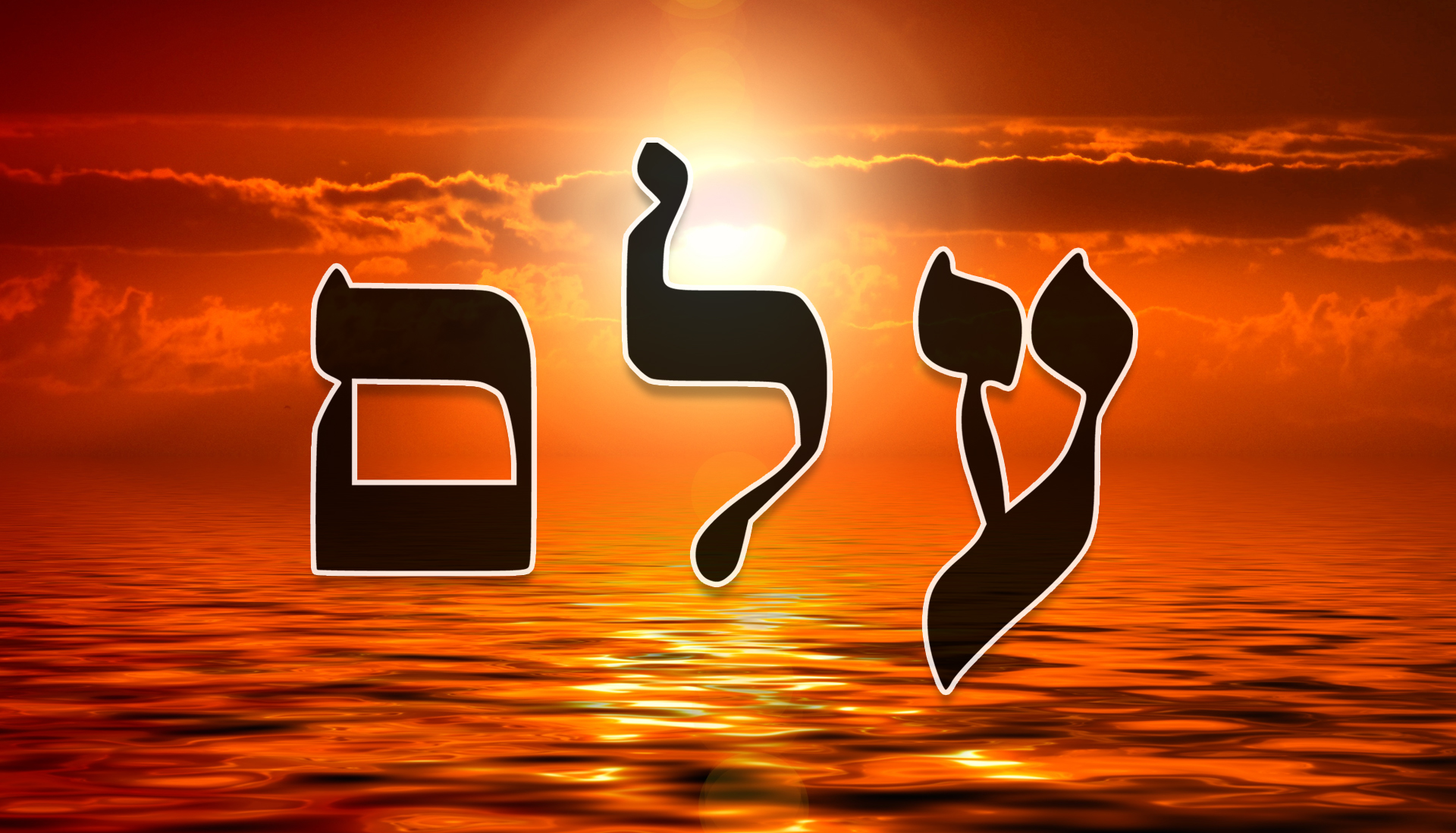
Ayin Lamed Mem
“Return, O Lord, deliver my soul: oh save me for thy mercies’ sake.” -Psalms 6:4 KJV
Ayin Lamed Mem is a meditation to help us remove negative emotions or thoughts. Negative emotions feed Ego, and we think selfishly as fear and panic rule us. Ayin Lamed Mem reminds us that God’s divine providence is by our side. As we find our centers and detach ourselves from negative influences, balance and harmony return to us.
The Four Levels of Pardes
Pardes is like climbing Jacob’s ladder. An extended meaning never contradicts the base meaning, but rather expand our understanding.

People Say I Should Obey God – How?
From a question on Quora.
“People tell me I should obey God. How do I do that? In what way? Are there steps or instructions somebody can give me instead of having to look for it in the Bible?”
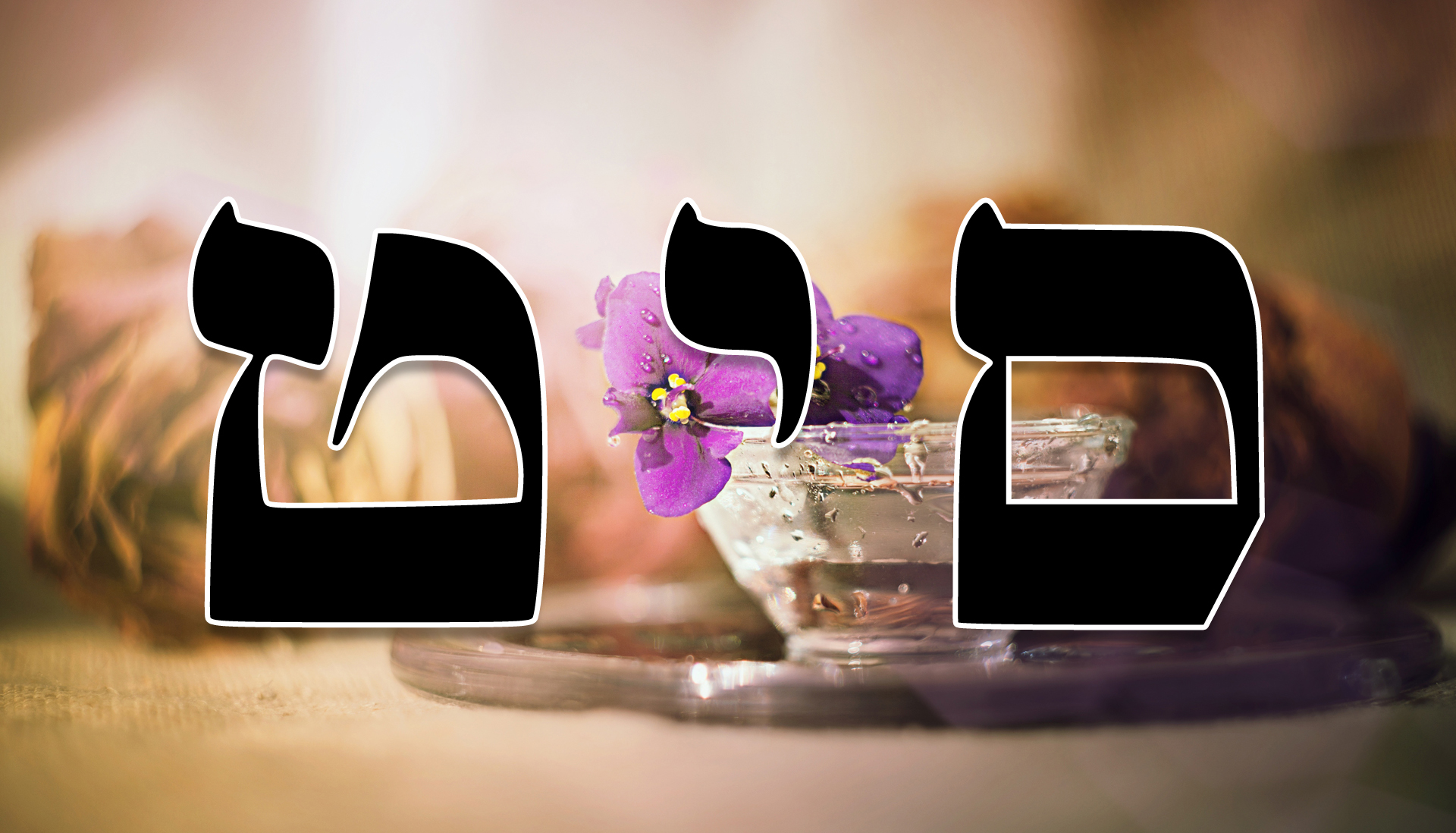
Samekh Yod Tet
“I will say of YHVH, He is my refuge and my fortress: my God; in him will I trust.” -Psalm 91:2
The third Name of God may be used to prepare ourselves both for miracles to come into our lives, and to preform miracles in God’s name. Is anyone sick? Samekh Yod Tet is a mantra for healing.

Zohar 68a-69a: Why the Animal was Destroyed by the Deluge
A translation of an exert from the Zohar.

Yod Lamed Yod
“But be not thou far from me, O Lord: O my strength, haste thee to help me.” -Psalms 22:19
The second Name of God may be used as a teshuvah meditation. It is used to recapture the spark of divine energy within us. This spark lights the fire of the Holy Spirit. Yod Lamed Yod is a mantra for meditation that can restore us with Christ’s Grace from both sin and the wear and tare of everyday life. It reminds us of who we truly are, and who’s we are, kindling the our divine fire. We are the Children of God, we were created in God’s image, spiritually and physically. Using this mantra reminds us of our divinity.
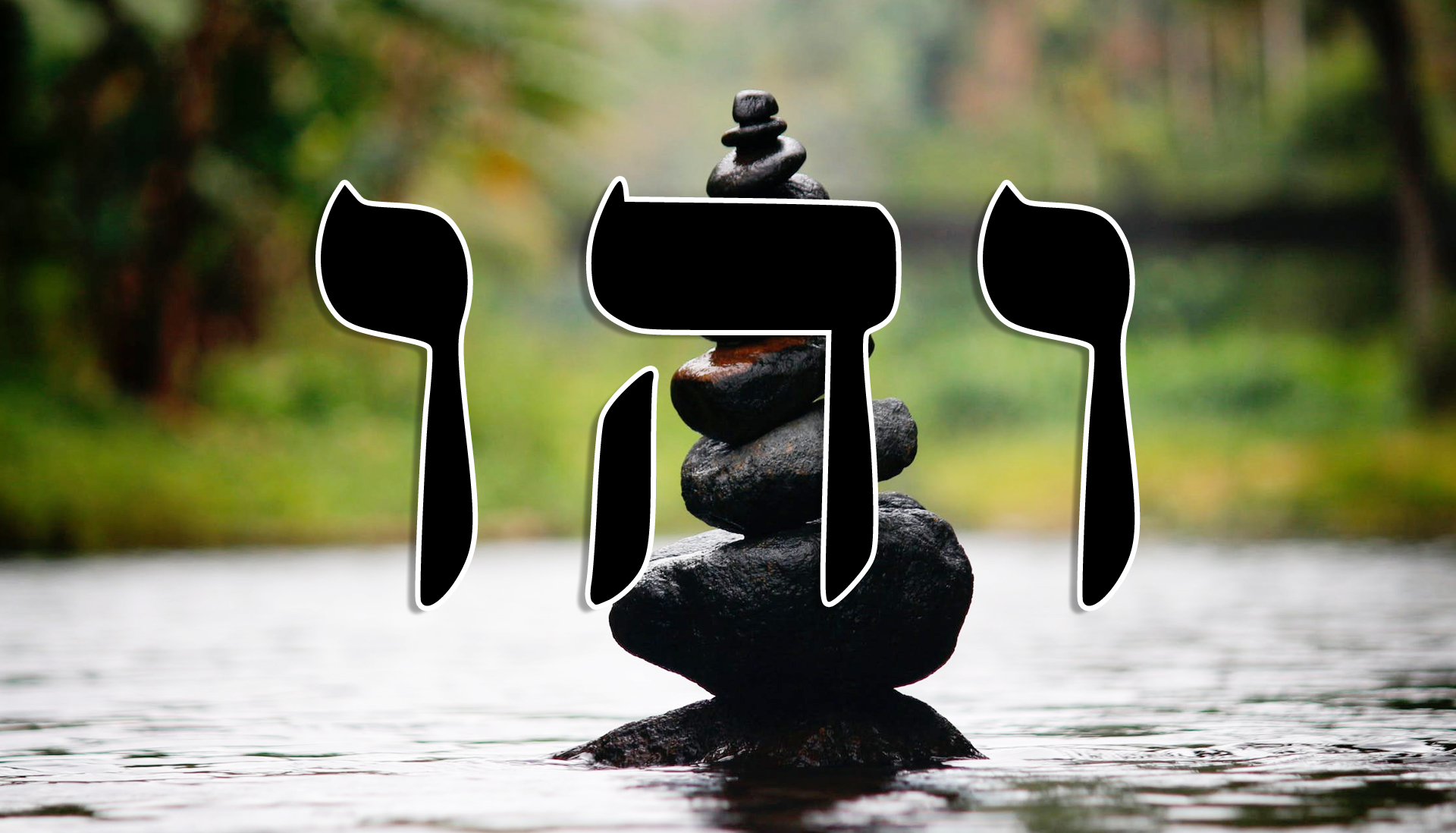
Vav Hei Vav
“But thou, O Lord, art a shield for me; my glory, and the lifter up of mine head.” -Psalms 3:3
This first Name of God can be used as a teshuvah meditation. It is used in this manner to look into and correct the past. Vav Hei Vav is a mantra for meditation that can protect us from shame as Christ’s Grace erases our embarrassment, confusion, and instability brought by sin. It emphasizes on the correction of past errors and helps assist us return to control. Using this mantras indicates remorse.

Love Thy Neighbor
The following is based on a portion of a transcript from a sermon from November 21, 2015.
In the Torah, in Leviticus 19:18, the Lord says, “Thou shalt not avenge, nor bear any grudge against the children of thy people, but thou shalt love thy neighbor as thyself: I am the Lord” (Holy Bible, KJV). This is an interesting concept, love thy neighbor as thyself. Sure, it’s not unfamiliar to Jews, Christians, or really any religion. This statement reflects the point of all world religions.
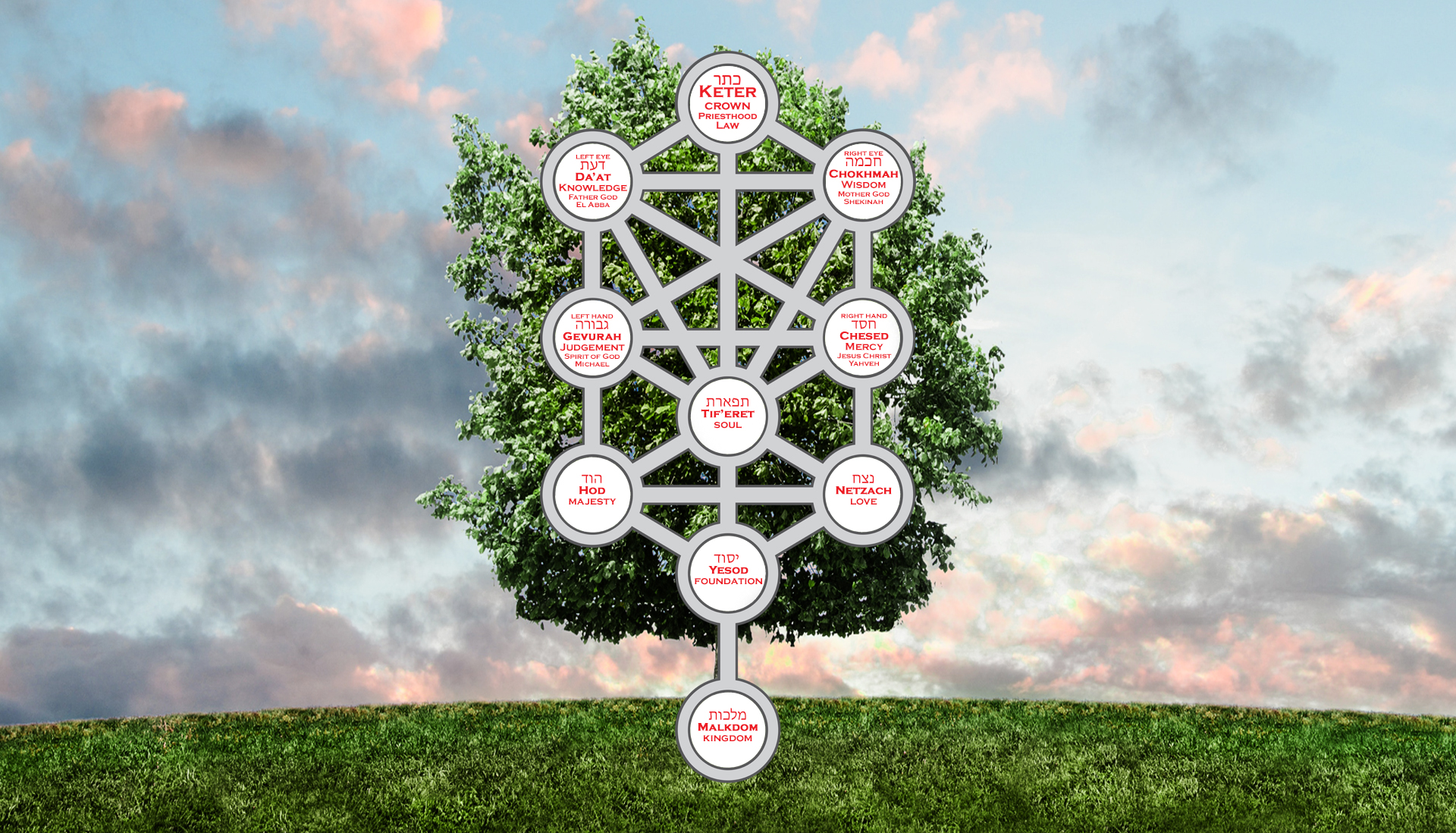
Air, Earth, Water, and Fire
“And it came to pass after I had prayed unto the Lord, I beheld a large and spacious field. And it came to pass that I beheld a tree, whose fruit was desirable to make one happy.” -1 Nephi 2:48-49 RAV, 8:9-10 OPV
Before we go any further into Teshuvah, we need to go over some more advanced information. We’re going to dive into the Mormon Kabbalah’s Tree of Life, and the elements, and introduce some of the Sephirot. While the Godhead or Trinity, however one sees Him or Them, are all one in purpose, They are still divided as to Their roles and how we understand Them. We need to understand these differences before we move any further.
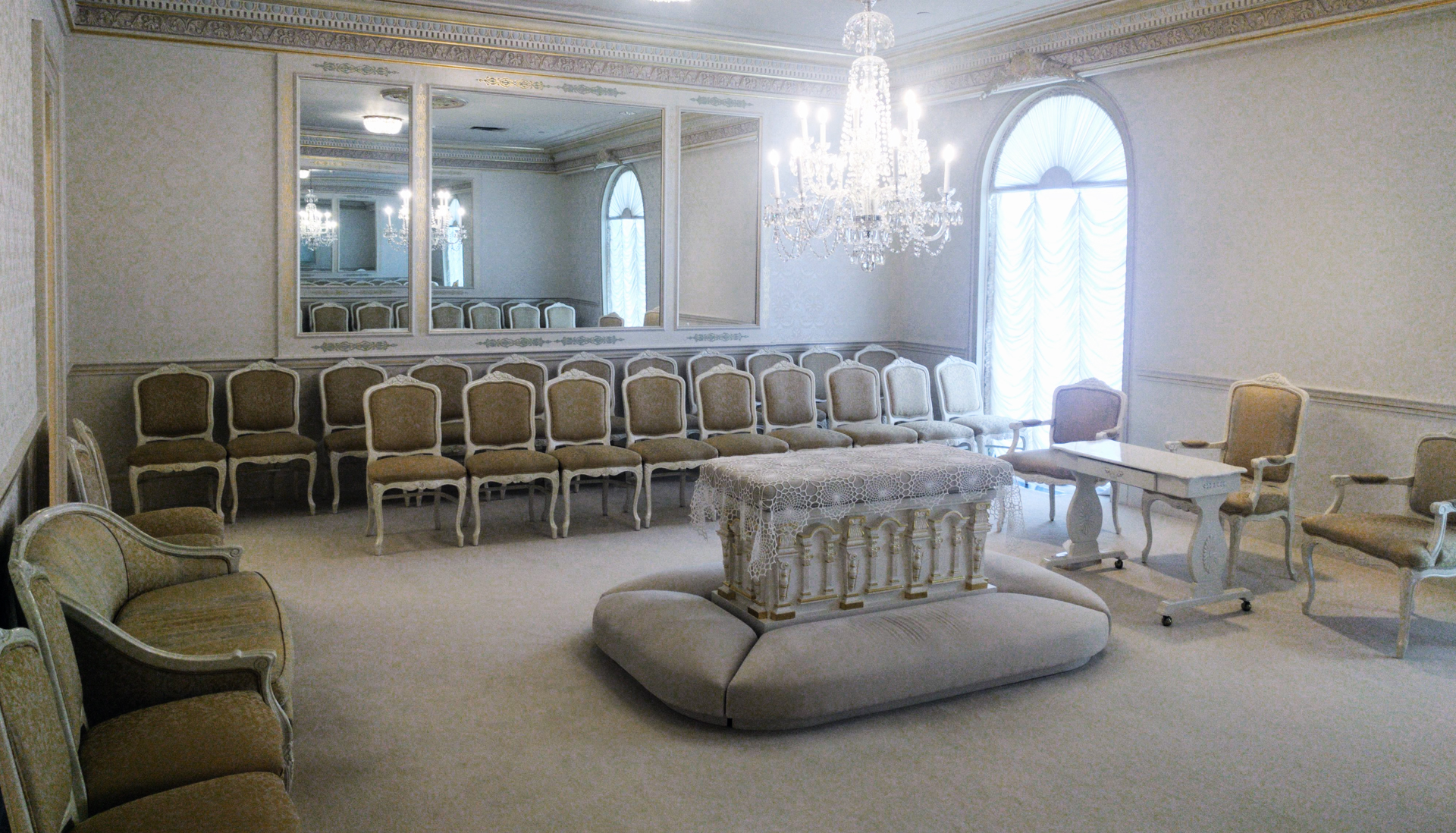
Temple Altar
“And it came to pass that he built an altar of stones, and made an offering unto the Lord, and gave thanks unto the Lord our God.” -1 Nephi 1:34 RAV, 2:7 OPV
As disciples and worshipers of Christ, the first temple in our lives is our bodies. To create a sacred space for home worship, meditation, and other spiritual needs, our second temple is our home temple. For this, members and ministers may have a temple altar in their homes. There they may bless and pass the Sacrament of Communion, receive and share Initiatories and Endowments, and gather with other saints around the altar in the various orders of prayer.