
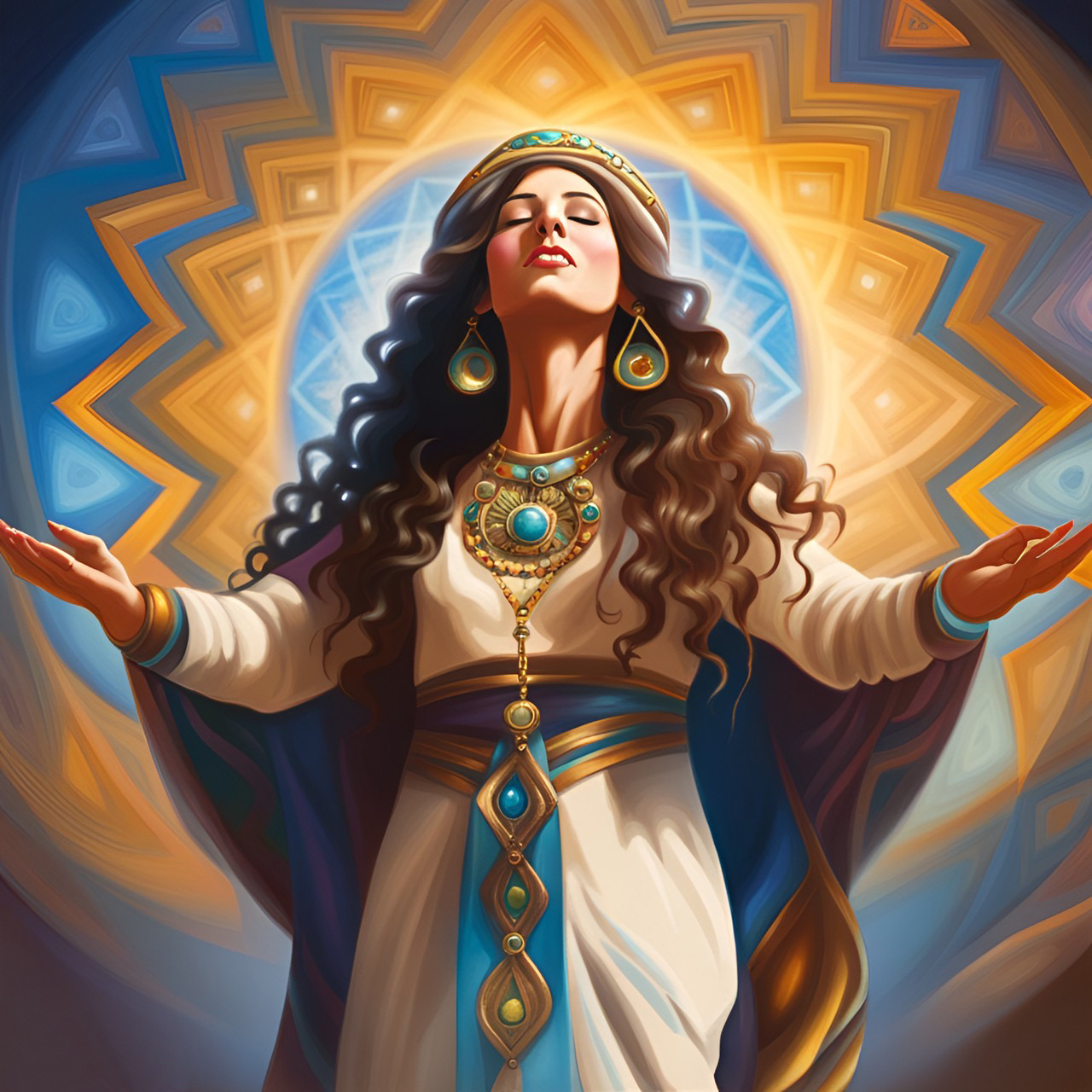
Neum and Kabbalah
Behold, I am Neum, the Oracle, reader of the stars—I am she who pours out the libations for YHVH; I am she who still dances in prophecy when the daughters do sing, and the young men do play their harps and beat their drums.” -Neum 2:1-2 Neum is not a traditionally recognized Kabbalistic text in the sense of being a part of the core Kabbalistic literature like the Zohar, Sefer Yetzirah, or Bahir, but it certainly contains themes, imagery, and spiritual ideas that align closely with Kabbalistic principles. There are a few reasons why Neum can be seen as resonating with Kabbalistic thought, even if it isn’t classified as a Kabbalistic book. Let’s review a few of these reasons. The Mystical Relationship Between Israel and God One of the central motifs in Neum is the depiction of Israel as the bride of God, which is a key Kabbalistic concept. In Kabbalah, particularly in the writings of the Zohar, the relationship…

Multiple Mortal Probations
Note: This article originally ran February 8, 2020.
“Thus are the five stages of man: Intelligence, Spirit, Flesh, Soul, and Resurrected Being; the final being all stages in one, a Morning Star—forever complete.” –Melchizedek 4:9
The Church of Jesus Christ in Christian Fellowship has no official position on gilgul (גלגול, Hebrew for “rolling”), past lives, reincarnation, or multiple mortal probations (or MMP). There are a number of views on these within the Latter Day Saint movement, from their necessity to reach the highest degrees of Heaven, to outright disdain. Here we will introduce you to some of these concepts as they relate to both the Latter Day Saint movement and Kabbalah. Please note that this is just an introduction. More study on these topics is encouraged.
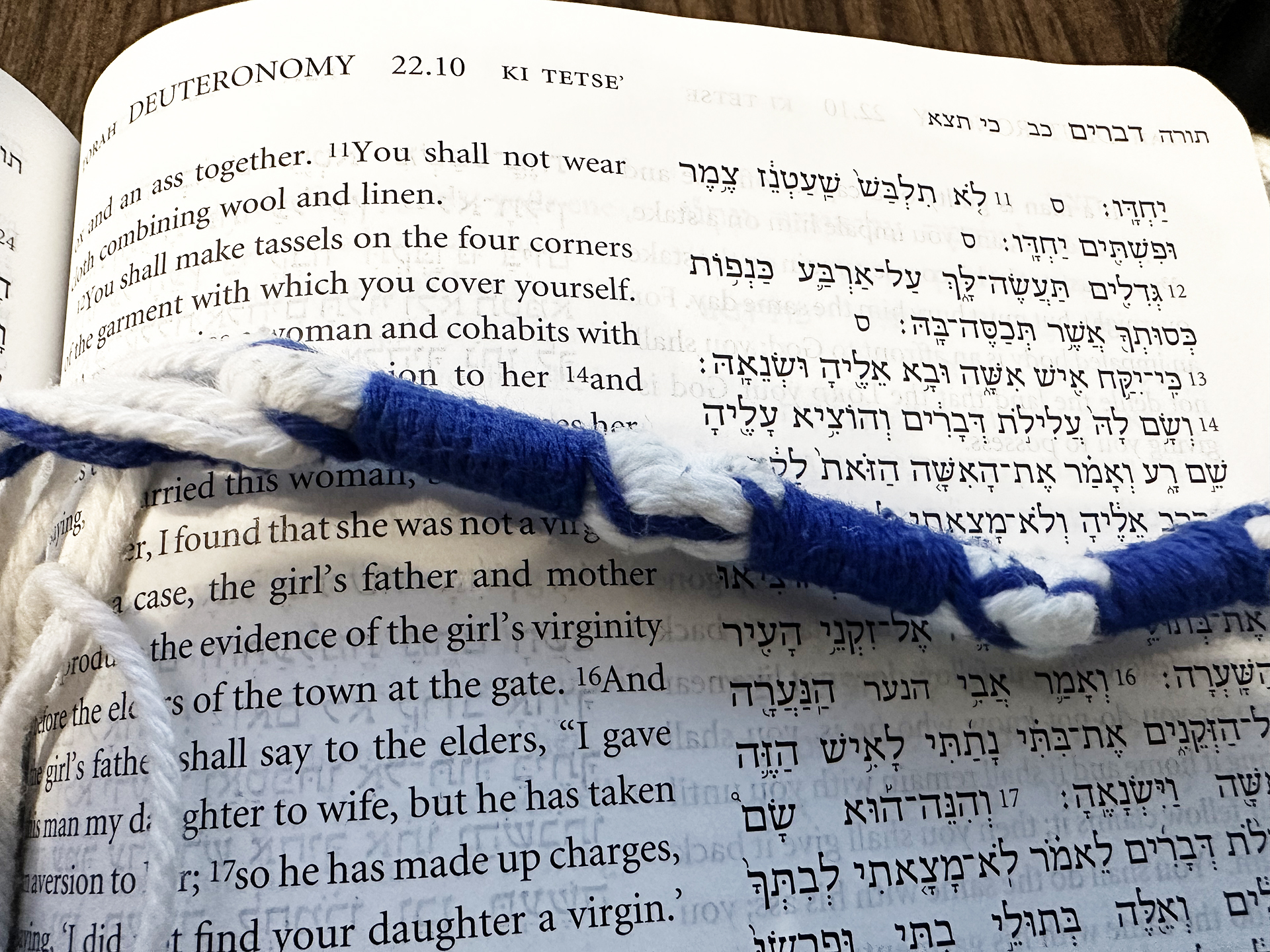
A Revelation on the Tzitzits
In asking the Lord about the tzitits, what are they, should he wear them, David received a revelation

Gematria
“It is better to trust in YHVH than to put confidence in man.” -Psalm 118:8
Gematria is the practice of deriving deeper insights and meanings from the Torah by combining the numerical values of Hebrew. Each Hebrew letter has a corresponding numerical value. The most common method used would be adding up the numerical values of the letters in a word or phrase. Then, practitioners look for other words or phrases that add up to those same numbers. The idea is that this method will uncover hidden connections, and deeper meanings and understandings.
The Tradition of Mormon Kabbalah
While Nephi warned us against stagnation, he also taught the Kabbalistic idea of continuing ever forward in God.

The Hamsa
“Therefore shall they receive a glorious kingdom, and a beautiful crown from the Lord’s hand: for with his right hand shall he cover them, and with his arm shall he protect them.” -Wisdom of Solomon 5:16
The hamsa (Hebrew: חמסה) is a amulet in the shape of a palm popular throughout the Middle East and North Africa. It can be found in both jewelry and wall art. In Arabic it is called khamsah (خمسة), meaning “five” or “the five fingers of the hand.” This symbol can be found in kabbalistic manuscripts and amulets, doubling as the letter shin, the first letter of the divine name Shaddai. The hamsa is depicting as an open right hand, much like the Sign of the Law of Sacrifice. This image has been used and recognized as a sign of protection throughout history.

The Mormon Kabbalah Library
“All scripture is given by inspiration of God, and is profitable for doctrine, for reproof, for correction, for instruction in righteousness, that the man of God may be perfect, thoroughly furnished unto all good works.” -2 Timothy 3:16-17
In the Fellowship of Christ we have an open cannon. Our primary books of scripture are the Bible and Book of Mormon. These were unanimously accepted as scripture back on April 6, 1830. The 1835 version of the Doctrine and Covenants were added to our canon later in August of 1835. On April 6, 2019 the Book of Enoch, the Book of Avahr, the Book of the Law of the Lord, the Book of Remembrance, and other visions and revelations the Lord had given me were added by the vote of the Saints.
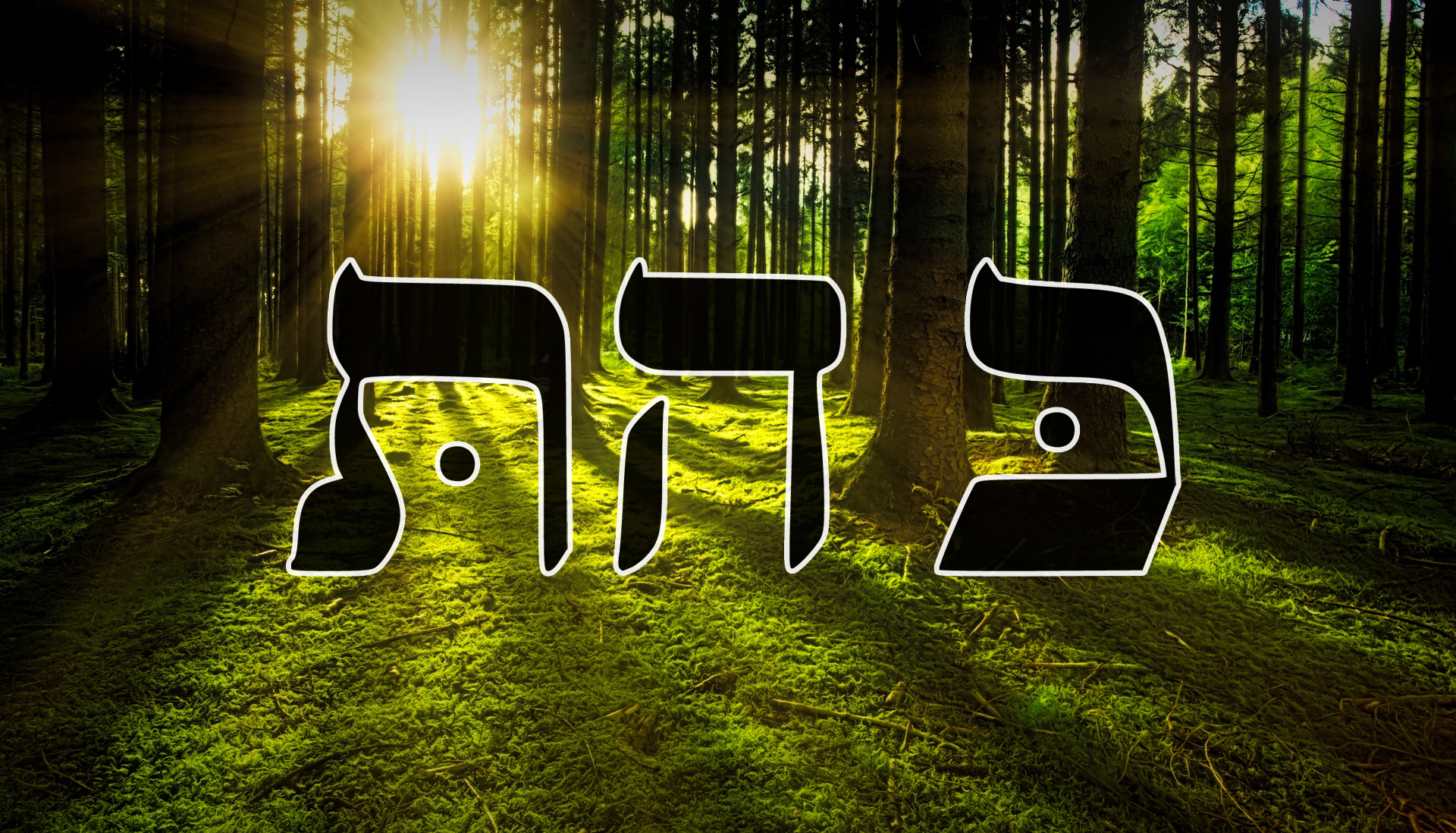
Kaf Hei Tav
“O come, let us worship and bow down: let us kneel before the Lord our maker.” -Psalms 95:6
Kaf Hei Tav (Hebrew is read backwards) is the eighth name of God in the 72 Kabbalistic names of God. It is a meditation and mantra for defusing negative energy and stress. On a personal level this may be used for cleaning or renewal. When used as a Priesthood ordnance, it may be used for comfort, cleansing and exorcisms. It draws on the purifying Light of Christ to cleans, restore, and refresh.
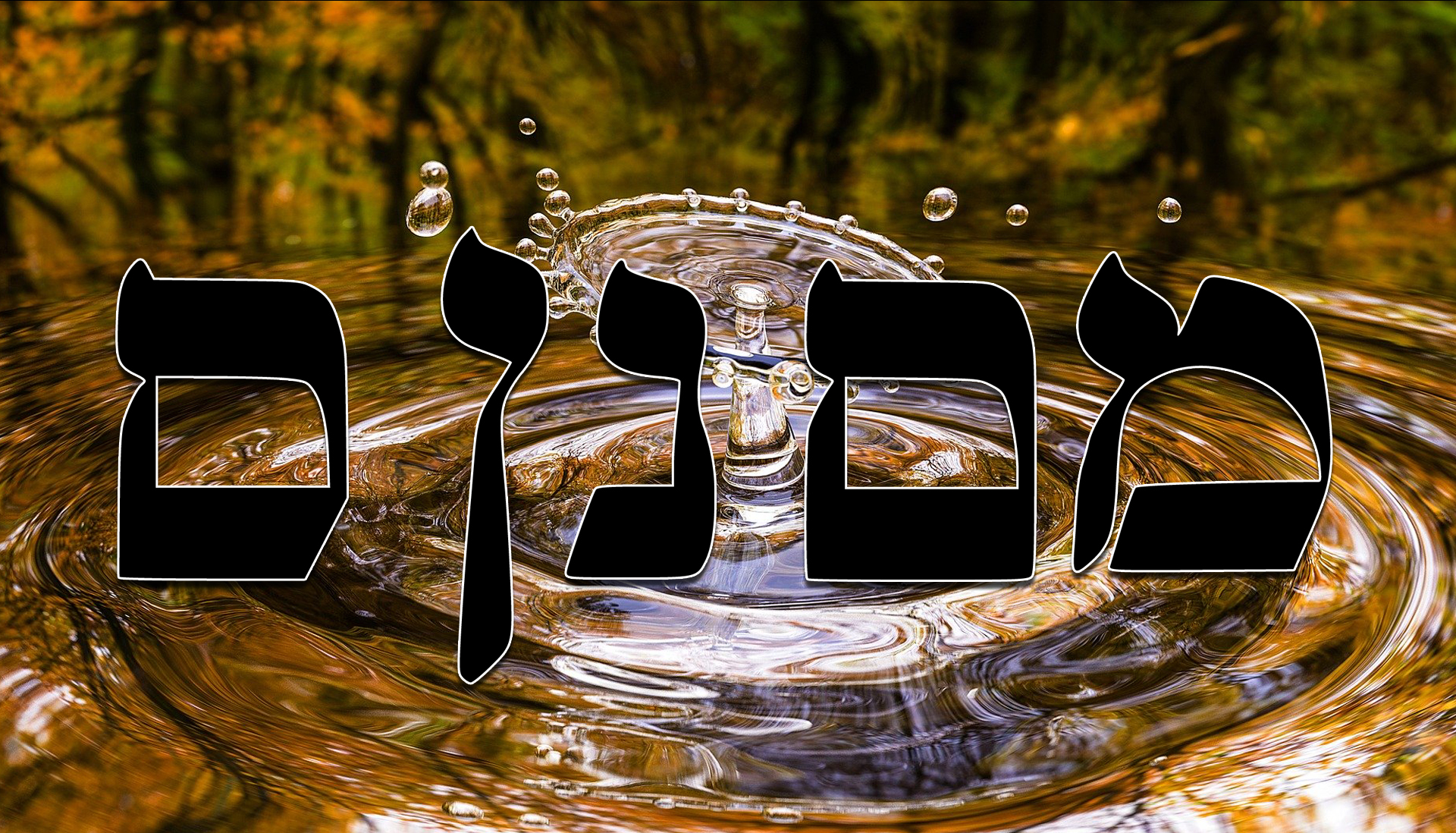
Aleph-Bet: Mem, Nun, Samekh
There are twenty-two letters in the Hebrew Aleph-bet (alphabet). This brief overview will define three of them, Mem, Nun, and Samekh, going over the basics of their mystical interpretations. In Mormon Kabbalah, these letters are used for spiritual communication in ways that do not require one to be fluent in the language. These letters help us gain a direct spiritual communication going beyond mere words. Meditation with the letters is a common practice in Kabbalah to help facilitate spiritual growth.

Aleph-Bet: Yod, Kaf, Lamed
There are twenty-two letters in the Hebrew Aleph-bet (alphabet). This brief overview will define three of them, Yod, Kaf, and Lamed, going over the basics of their mystical interpretations. In Mormon Kabbalah, these letters are used for spiritual communication in ways that do not require one to be fluent in the language. These letters help us gain a direct spiritual communication going beyond mere words. Meditation with the letters is a common practice in Kabbalah to help facilitate spiritual growth.
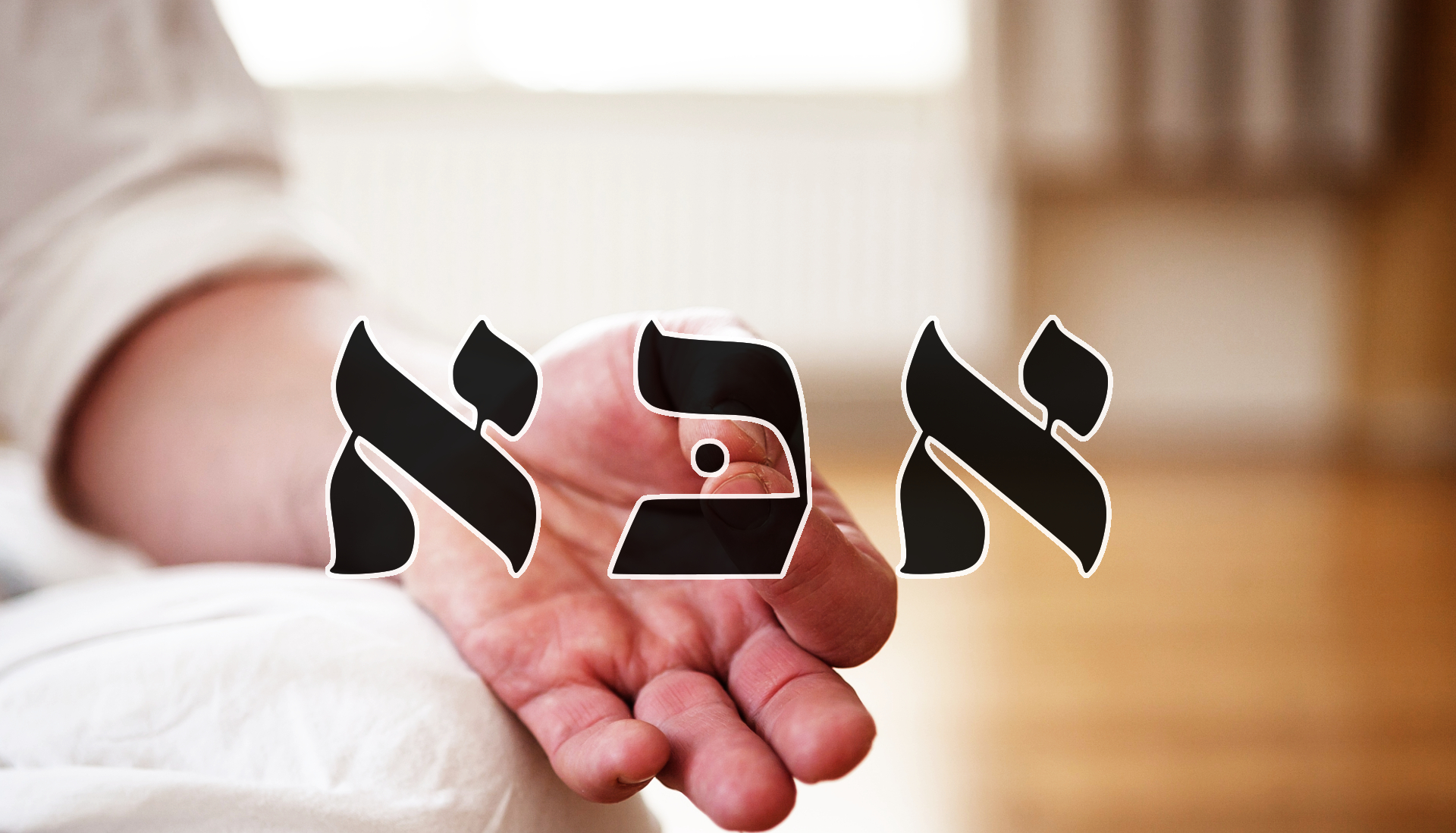
Aleph Kaf Aleph
“The Lord is merciful and gracious, slow to anger, and plenteous in mercy.” -Psalm 103:8
one of the 72 Kabbalistic names of God, Aleph Kaf Aleph is known as the root of the soul. It is used to help one bring order to their life by helping them connect to their soul, the Born Again new life created the moment one’s heart is pierced.