
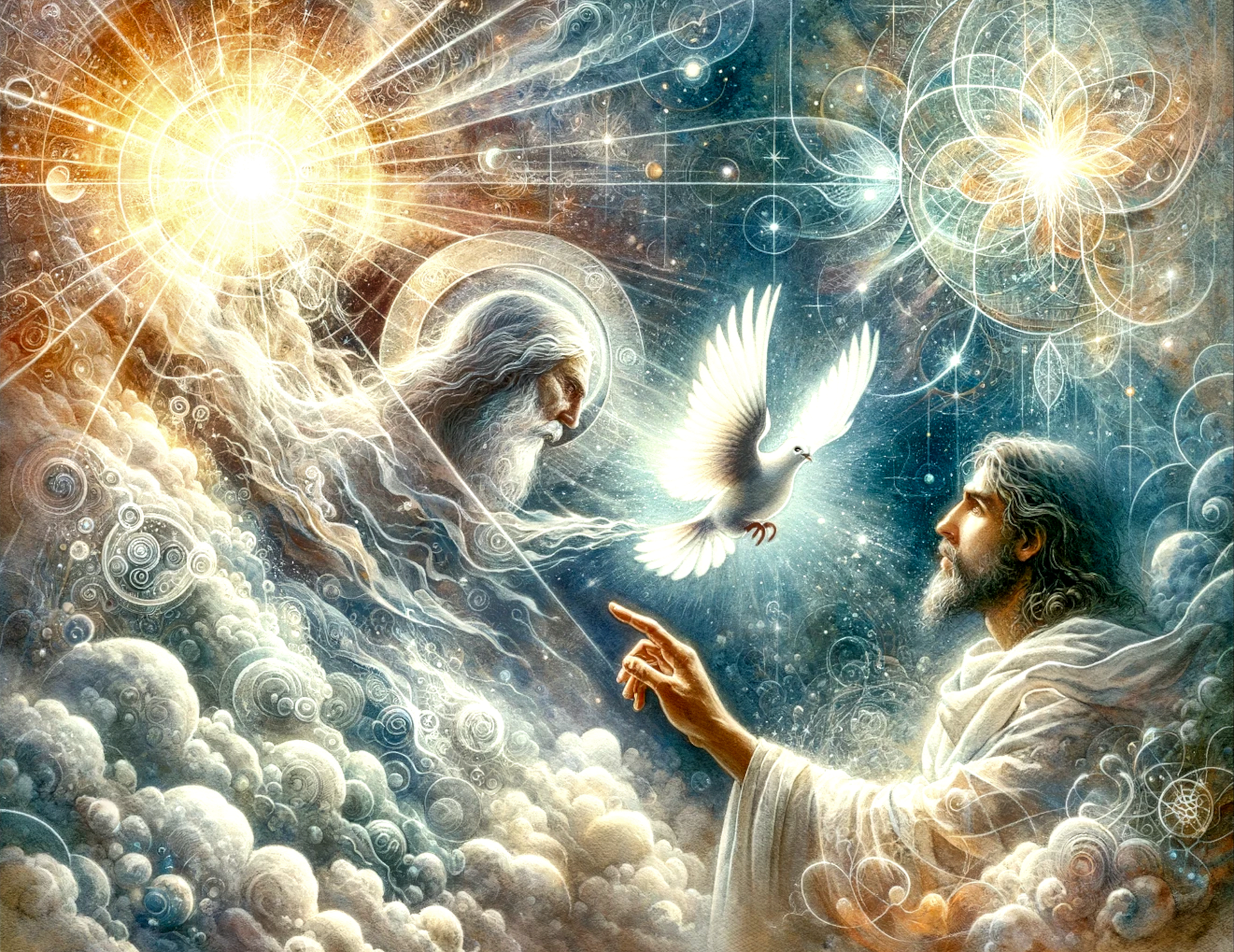
Yachad Yachid Echad: One, Unique, United
Imagine if three simple Hebrew words could unlock the secrets of God’s nature, Christ’s mission, and the purpose of your own soul. Yachad Yachid Echad can.

HaDerekh, the Unseen Horizon
HaDerekh is the sacred journey of the soul, the spiral descent and ascent from brokenness to wholeness, from exile to redemption, from forgetfulness to divine remembrance.
Mormon Mitzvoth
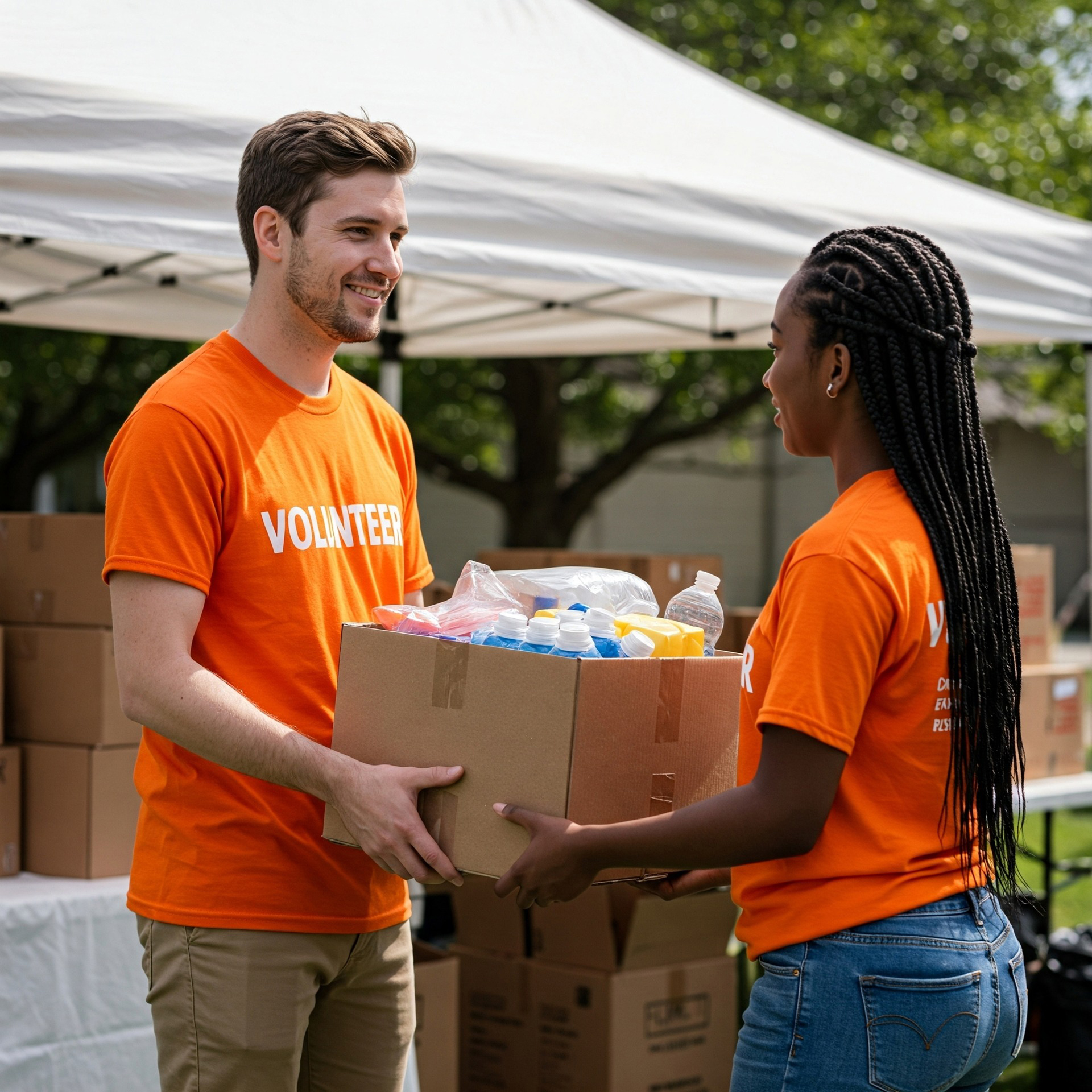
You may have heard the word mitzvah (singular) used to mean a “good deed,” but in its deeper sense, a mitzvah is a covenantal invitation to participate in the life of God.

Christ and the Spirit of Ubuntu
The following was originally posted March 17, 2018
“And the glory which thou gavest me I have given them; that they may be one, even as we are one.” -John 17:22
The early Christians were different than what people see Christians as today. They were pacifists, they enjoyed communal living, and their focus was on love. One might say they embodied the spirit of ubuntu.

The Robes of the Holy Priesthood
This article originally appeared on Gileriodekel.
On January 2nd, 1831 it was said that the Mormons should gather to Kirtland, Ohio, and there they would “be endowed with power from on high”. On December 27th-28th, 1832, this was then built off of and said that the Kirtland Temple should be built. At this temple there were no special clothing for any of the rituals conducted there.
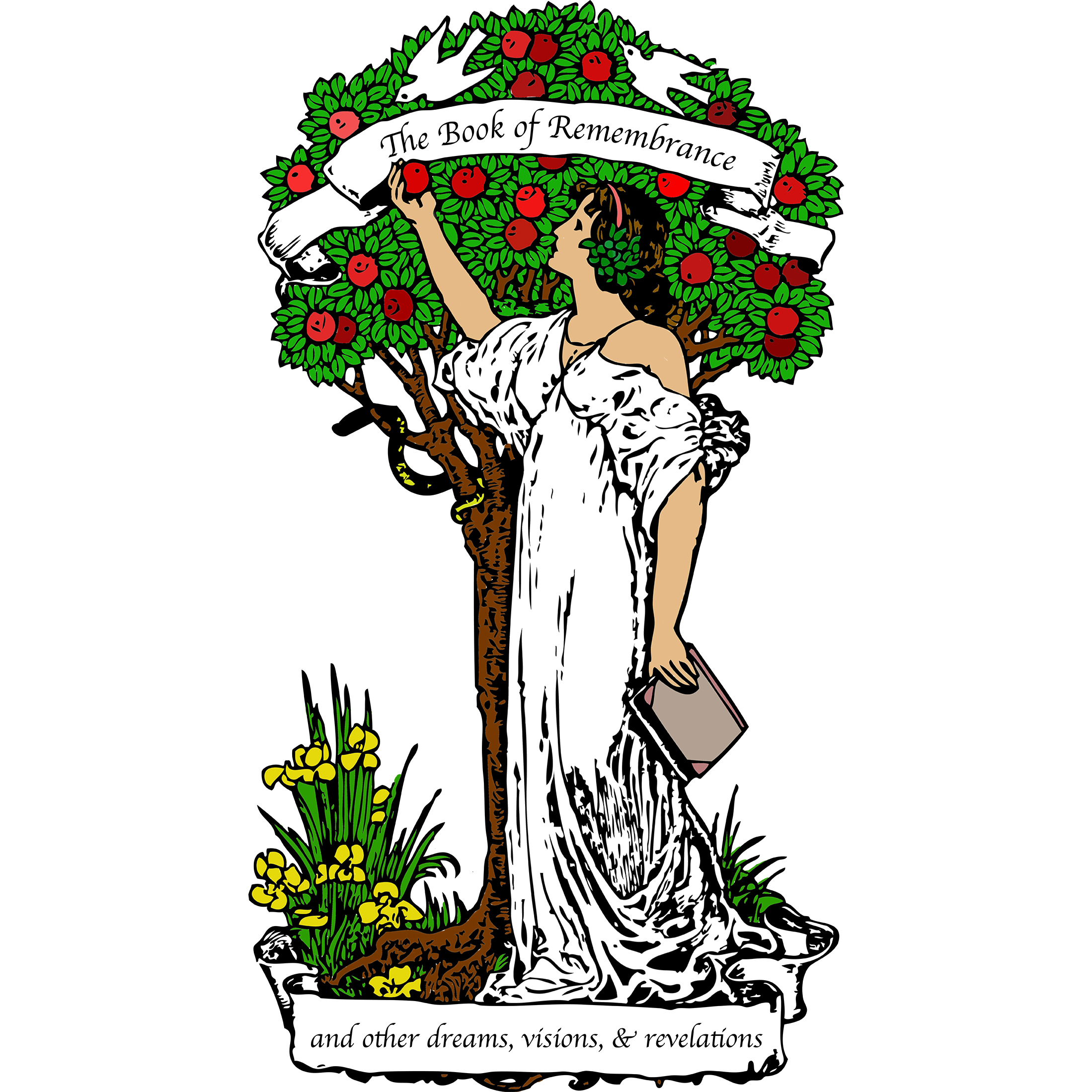
The Book of Remembrance
The Book of Remembrance is a series of dreams, visions, and revelations given through David Ferriman, First Elder of the Church of Jesus Christ in Christian Fellowship.
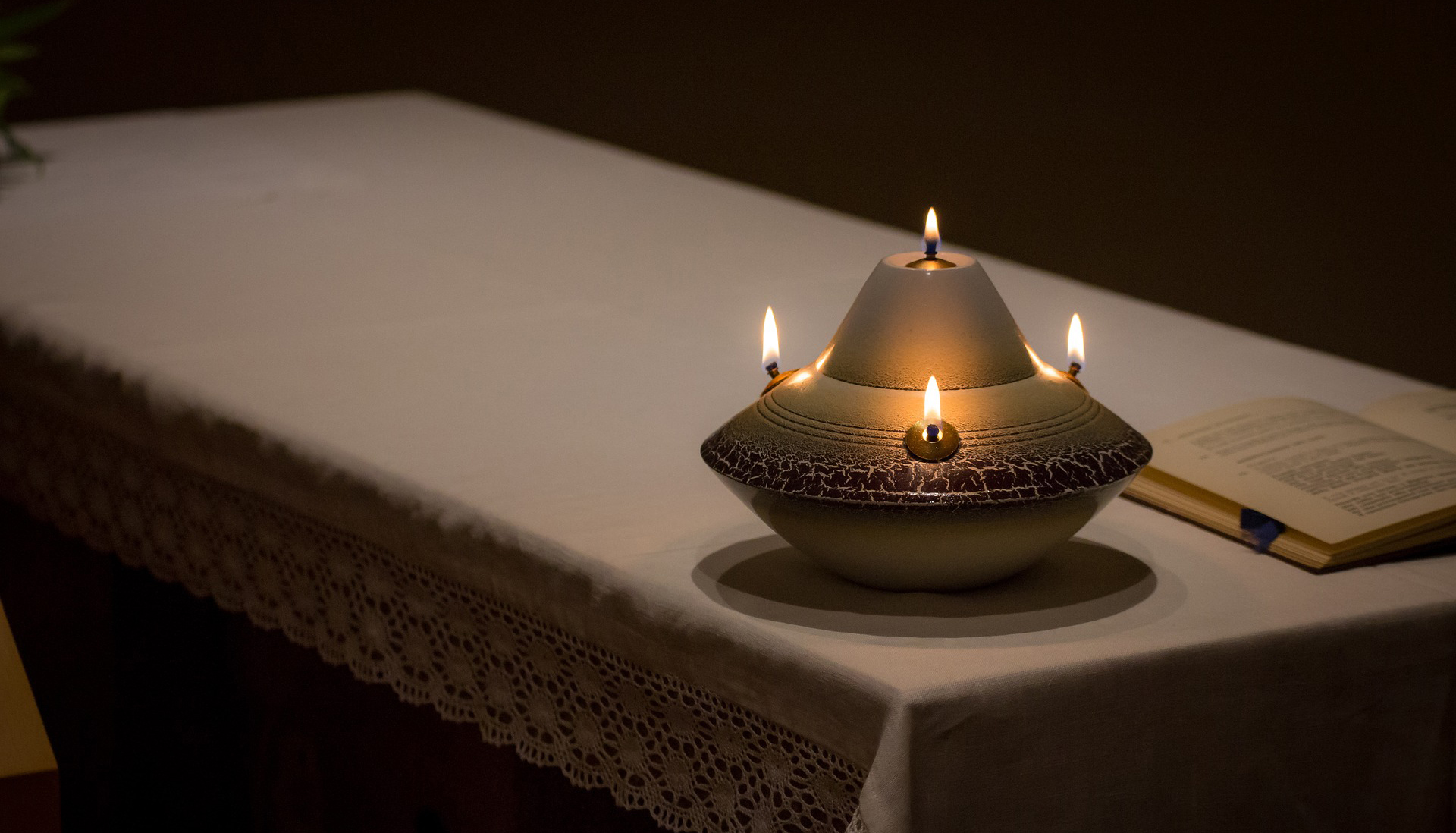
Meeting in Reverence Before the Lord
“And [Raphael] said unto them, in the temple of the Lord: Behold eight tasks shall I give unto thee, teach thy people to do these each in their proper order.” -Book of Remembrance 25:2
As we meet together as Saints, some have asked the proper way to organize services. The correct answer of course is, by the Spirit. That said, the Lord has given us instructions on this topic through Raphael, as he spoke to Adam and Eve. These instructions should be used in our home temples, in our Synagogues, Tabernacles, and Temples for personal and group worship. And these may be used by seekers, disciples, and ministers. They are given to the world to be received in the spirit.

Called of God
In the Latter Day Saint movement people of all walks of life are called of God as “apostles, prophets, pastors, teachers, evangelists, and so forth” to help move individuals, congregations, churches, and the kingdom forward in Christ.

The Tree of Life in Spiritual Practice
In Mormon Kabbalah, faith is an action. We deepen our personal relationship with God, allowing the light of Jesus Christ to transform us.
The Tree of Life in Mormon Kabbalah: The Da’at Binah Switch
In Mormon Kabbalah, the third Sefirah is Da’at (Knowledge) rather than Binah (Understanding) as in traditional Jewish Kabbalah.

Lay Blessings and Priesthood Blessings
“O Lord, hear the prayer of thy servants, according to the blessing of Aaron over thy people, that all they which dwell upon the earth may know that thou art the Lord, the eternal God.” -Ecclesiasticus 36:17
It has been commonly accepted within the Restoration that the Priests and Priestesses of the Levitical Order do not have the authority to bless, because with the High Priesthood restored, the Elders should be called for. This custom and practice requires some clarification.

Love and Lishmah
“I directed my soul unto her, and I found her in pureness: I have had my heart joined with her from the beginning, therefore shall I not be forsaken.” -Ecclesiasticus 51:20 KJV
Lishmah (לישמה), literally translated means “for her sake,” or “for her name.” In Kabbalah it is generally translated as “for its sake,” or “for its name.” “It” here refers to the study of the Torah, stating why we focus on the Torah and the Mitzvah—we study the Torah for the sake or our love of the Torah. However, this term, lishmah, may be used for anything we do for YHVH; thus it can also mean “for the Lord’s sake”.
As we practice lishmah we are in the Shekinah, the Presence of God; and we are the Shekinah, the congregation (Isaiah 54:5, 62:5; Matthew 25:1-46). This is why Heavenly Mother or the Divine Feminine, and the Congregation, the Church, or the Assembly of the Saints are both referred to as Shekinah: a feminine force representing the will to receive. But what does this have to do with love? Maybe everything.