
Yachad Yachid Echad: One, Unique, United
Imagine if three simple Hebrew words could unlock the secrets of God’s nature, Christ’s mission, and the purpose of your own soul. Yachad Yachid Echad can.

HaDerekh, the Unseen Horizon
HaDerekh is the sacred journey of the soul, the spiral descent and ascent from brokenness to wholeness, from exile to redemption, from forgetfulness to divine remembrance.

Mormon Mitzvoth
You may have heard the word mitzvah (singular) used to mean a “good deed,” but in its deeper sense, a mitzvah is a covenantal invitation to participate in the life of God.
Why the Book of Mormon is True
“And [God] gave him power from on high, by the means which were before prepared, to translate the Book of Mormon; which contains a record of a fallen people, and the fullness of the gospel of Jesus Christ to the Gentiles and to the Jews also; which was given by inspiration, and is confirmed to others by the ministering of angels, and is declared unto the world by them—proving to the world that the holy scriptures are true, and that God does inspire men and call them to his holy work in this age and generation, as well as in generations of old; thereby showing that he is the same God yesterday, today, and forever. Amen.” -Doctrines of the Saints 2a:8-11
All holy books have truth and wisdom in them; yet we do not accept all holy books as scripture the way we do the Bible and Book of Mormon. We claim the Book of Mormon is “true.” We say that the Gospel is “true.” But what does this mean? What is “truth?”

My Covenant People
Revelation received in Alger County, Michigan, July 9, 2025

Jesus Christ: The Father and the Son
Revelation Received in Michigan July 4, 2025

Christ and the Spirit of Ubuntu
The following was originally posted March 17, 2018
“And the glory which thou gavest me I have given them; that they may be one, even as we are one.” -John 17:22
The early Christians were different than what people see Christians as today. They were pacifists, they enjoyed communal living, and their focus was on love. One might say they embodied the spirit of ubuntu.
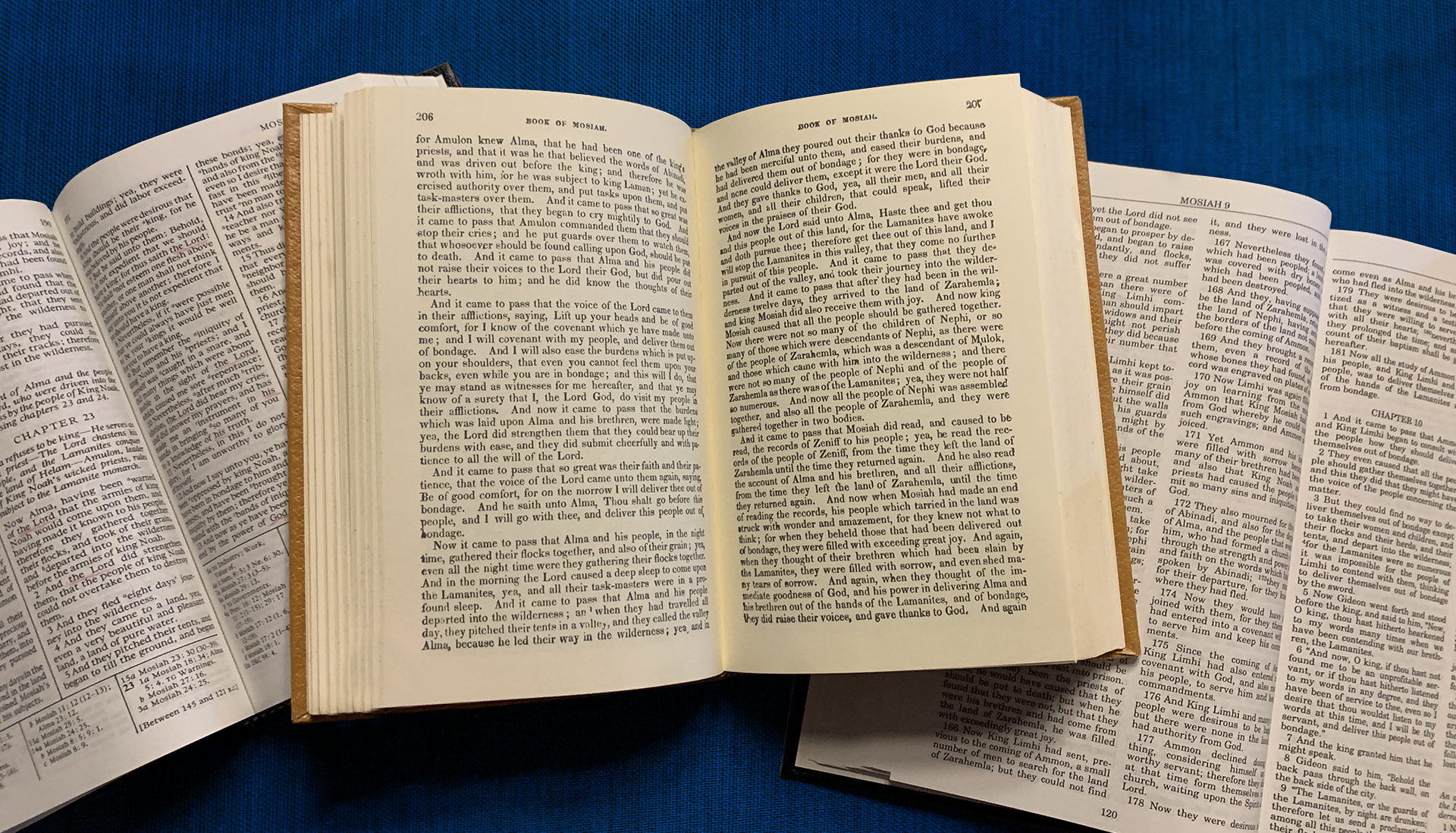
Taking the Book of Mormon at Its Word
“And it shall come to pass afterward, that I will pour out my spirit upon all flesh; and your sons and your daughters shall prophesy, your old men shall dream dreams, your young men shall see visions” -Joel 2:28
We, as Latter Day Saints, claim to be living in the last days. When we look at the life of Joseph Smith Jr., his visions and revelations, it does appear to be the case. Before, during, and after the translation of the Book of Mormon he received numerous dreams, visions, and revelations. And it wasn’t only him. Lucy Mack Smith, Joseph Smith Sr., Oliver Cowdery, Sidney Rigdon, and other also received dreams, visions, and revelations. Truly the Spirit of God was poured out, and Joel’s prophecy was coming true! (See Joel 2:28)

The Divine Feminine in the Apocrypha
“And Wisdom was with thee: which knoweth thy works, and was present when thou madest the world, and knew what was acceptable in thy sight, and right in thy commandments. O send her out of thy holy heavens, and from the throne of thy glory, that being present she may labor with me, that I may know what is pleasing unto thee.” -Wisdom of Solomon 9:9-10
In the Fellowship of Christ, we talk about the idea of a Mother in Heaven or Divine Feminine. In the Old Testament wisdom is a personified heavenly female power. The author of Proverbs says of the Divine Feminine: “Take fast hold of instruction; let Her not go: keep Her; for She is thy life” (4:13). We see in Proverbs 8 that Wisdom is described as more than a good quality. She was with God before the foundation of the world, she is co-eternal with Him. In the Book of Mormon we see Her as the tree that bears the fruit that is Jesus Christ in Lehi’s dream and Nephi’s vision (1 Nephi 3:49 RAV, 11:9 OPV).
With this understanding, we can bring Her reality back. This is after all the restoration of all things. Our Mother in Heaven is someone to identify with, to know.
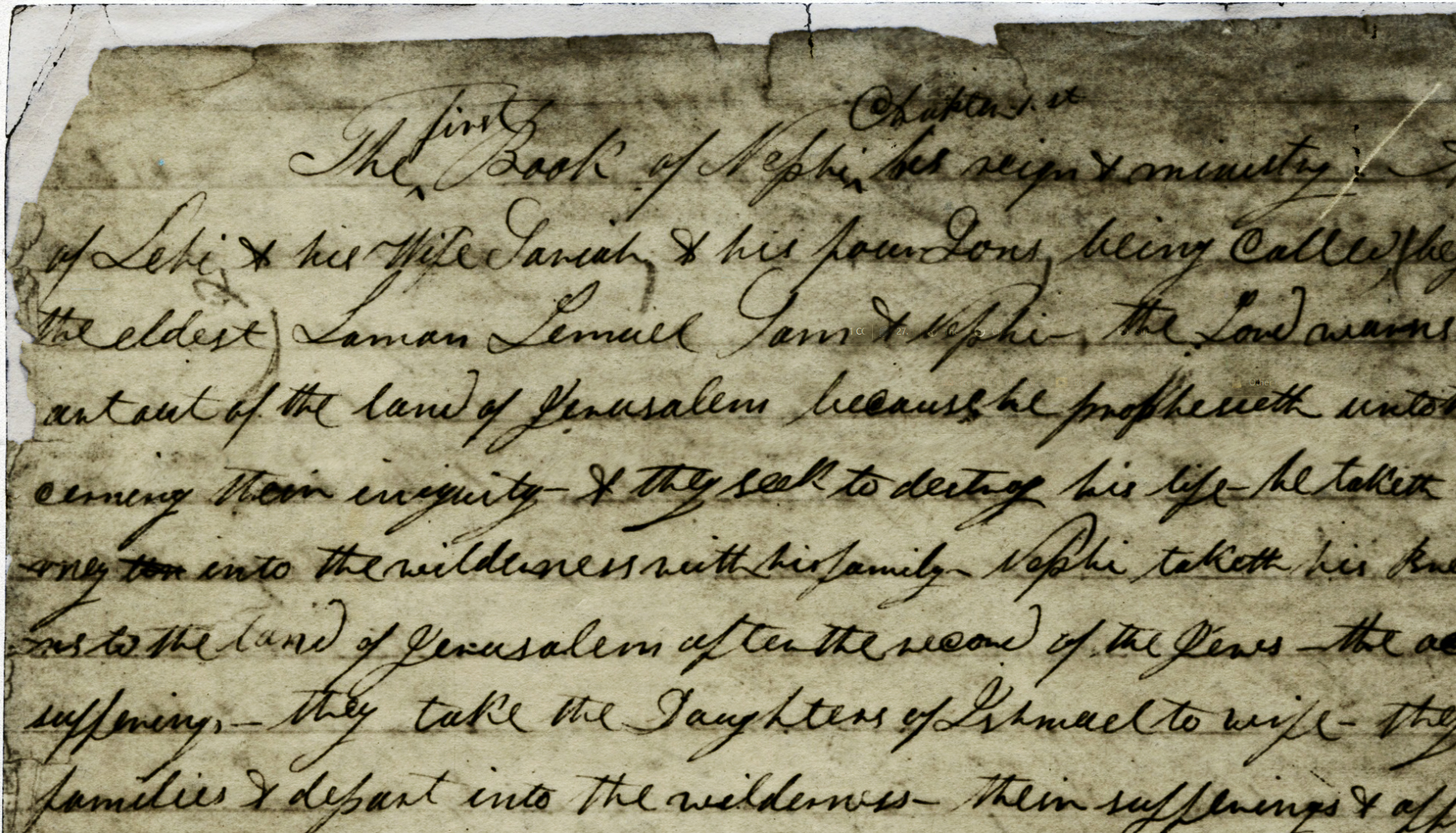
Why I am a Mormon
“Mormonism is the pure doctrine of Jesus Christ; of which I myself am not ashamed.” – Joseph Smith Jr.
My name is David Ferriman, and I am a Mormon. What does that mean? The Latter Day Saint movement is very different from our sister Christian movements in that our view of Matthew 16:18, what the rock is that the Church will be built upon. The Church, of course, is you and me—all Christians.

A Shared Sense of Purpose
To be successful, faith communities typically create a shared sense of purpose and unity through worship and devotion. In the Fellowship of Christ, our goal is to ensure that all members of the community feel included and valued, regardless of their background or beliefs. This means that standardized forms of worship and devotion will not always be used. Each congregation will find what works best for them. And what works for them should not get locked down as if written in stone. They should work to offer a variety of worship styles and programs that cater to different local interests and needs, always evolving and moving forward.
This can become problematic as there may be those who do not want to support every type of service. It becomes important then to encourage regular attendance to help to build a sense of collective identity and belonging, so that no one left out, and none left behind.
Conference 2025 (Video)
“I have spoken through my prophets and my prophetesses from the beginning of these things, and I shall speak of them again through you this day, for the time is ripe, and the sun is setting.” -Doctrines of the Saints 133:6