

Called of God
In the Latter Day Saint movement people of all walks of life are called of God as “apostles, prophets, pastors, teachers, evangelists, and so forth” to help move individuals, congregations, churches, and the kingdom forward in Christ.

Climate Change, a Sign of Sins of Mankind
“For the world shall fall ill to the iniquity of mankind; yea, the greed of men shall be as a poison that will drain the earth of its life, and she shall become sick.” -Neum 13:4
I grew up being told that we live in the last days. Looking at the view I was raised in, if the last days began with Joseph Smith’s First Vision, then we have been in the last days for over 200 years now. I grew up reading the thoughts of past leaders of the church my family had joined when I was a small boy. For 200 years, these men saw the end just around the corner.

Love and Lishmah
“I directed my soul unto her, and I found her in pureness: I have had my heart joined with her from the beginning, therefore shall I not be forsaken.” -Ecclesiasticus 51:20 KJV
Lishmah (לישמה), literally translated means “for her sake,” or “for her name.” In Kabbalah it is generally translated as “for its sake,” or “for its name.” “It” here refers to the study of the Torah, stating why we focus on the Torah and the Mitzvah—we study the Torah for the sake or our love of the Torah. However, this term, lishmah, may be used for anything we do for YHVH; thus it can also mean “for the Lord’s sake”.
As we practice lishmah we are in the Shekinah, the Presence of God; and we are the Shekinah, the congregation (Isaiah 54:5, 62:5; Matthew 25:1-46). This is why Heavenly Mother or the Divine Feminine, and the Congregation, the Church, or the Assembly of the Saints are both referred to as Shekinah: a feminine force representing the will to receive. But what does this have to do with love? Maybe everything.

5 Ways We can be an Example for Our Children
“When Israel was a child, then I loved him, and called my son out of Egypt.” -Hosea 11:1
The greatest example was and is Jesus Christ. In the New Testament, when children were brought to Him to be blessed, his disciples try to turn the children away. The Savior rebukes them telling them saying: “Permit the little children and forbid them not to come unto me: for of such is the kingdom of heaven” (Matthew 19: 14).

A Contrite and Humble Spirit
Note: This article was originally posted June 20, 2020.
“For thus saith the high and lofty One that inhabiteth eternity, whose name is Holy; I dwell in the high and holy place, with him also that is of a contrite and humble spirit, to revive the spirit of the humble, and to revive the heart of the contrite ones.” -Isaiah 57:15
As we read the above scripture from Isaiah, we heard God tell us that He dwells with those who have a humble and contrite spirit. But, what does it mean to have a contrite spirit?

Entering the World of the Bible
With all this time on our hands because of the virus situation, rather than just sit around, I thought I’d take the time to do some reflecting on the deeper things in life. I’ve come to this conclusion—I want to think like Jesus and act like Jesus. Paul’s admonition is the longing of my heart, “Let this mind be in you which was also in Christ Jesus” (Philippians 2:5).

Praying to Know Truth
“Behold, I would exhort you that when ye shall read these things, if it be wisdom in God that ye should read them, that ye would remember how merciful the Lord hath been unto the children of men—from the creation of Adam even down until the time that ye shall receive these things—and ponder it in your hearts. And when ye shall receive these things, I would exhort you that ye would ask God, the eternal Father, in the name of Christ, if these things are not true; and if ye shall ask with a sincere heart, with real intent, having faith in Christ, he will manifest the truth of it unto you by the power of the Holy Ghost; and by the power of the Holy Ghost, ye may know the truth of all things.” -Moroni 10:3-5
The above quote is sometimes called “Moroni’s promise.” It is Moroni’s request that we go to God to see for ourselves if the Book of Mormon is truly the word of God. It is a big part of the restoration of all things, and the restoration of the Gospel of Jesus Christ, as it invites us to use the same gift of the Spirit that Joseph Smith Jr. used to translate the Book of Mormon—the spirit of prophecy and revelation.

Neum and Kabbalah
Behold, I am Neum, the Oracle, reader of the stars—I am she who pours out the libations for YHVH; I am she who still dances in prophecy when the daughters do sing, and the young men do play their harps and beat their drums.” -Neum 2:1-2 Neum is not a traditionally recognized Kabbalistic text in the sense of being a part of the core Kabbalistic literature like the Zohar, Sefer Yetzirah, or Bahir, but it certainly contains themes, imagery, and spiritual ideas that align closely with Kabbalistic principles. There are a few reasons why Neum can be seen as resonating with Kabbalistic thought, even if it isn’t classified as a Kabbalistic book. Let’s review a few of these reasons. The Mystical Relationship Between Israel and God One of the central motifs in Neum is the depiction of Israel as the bride of God, which is a key Kabbalistic concept. In Kabbalah, particularly in the writings of the Zohar, the relationship…

Kavanah in the Book of Mormon
“O all ye that are pure in heart, lift up your heads, and receive the pleasing word of God, and feast upon his love; for ye may, if your minds are firm forever.” -Jacob 2:50 [3:2]
The concept of Kavanah in Kabbalah refers to intentionality or spiritual focus during prayer, meditation, and other religious practices. It is often understood as the intention of the heart, the focus of one’s mind and soul on connecting with God, aligning one’s actions with divine will, and inviting the divine presence into one’s life. In Kabbalistic tradition, Kavanah is central to making religious acts spiritually meaningful, transforming routine religious observances into profound, mystical experiences.
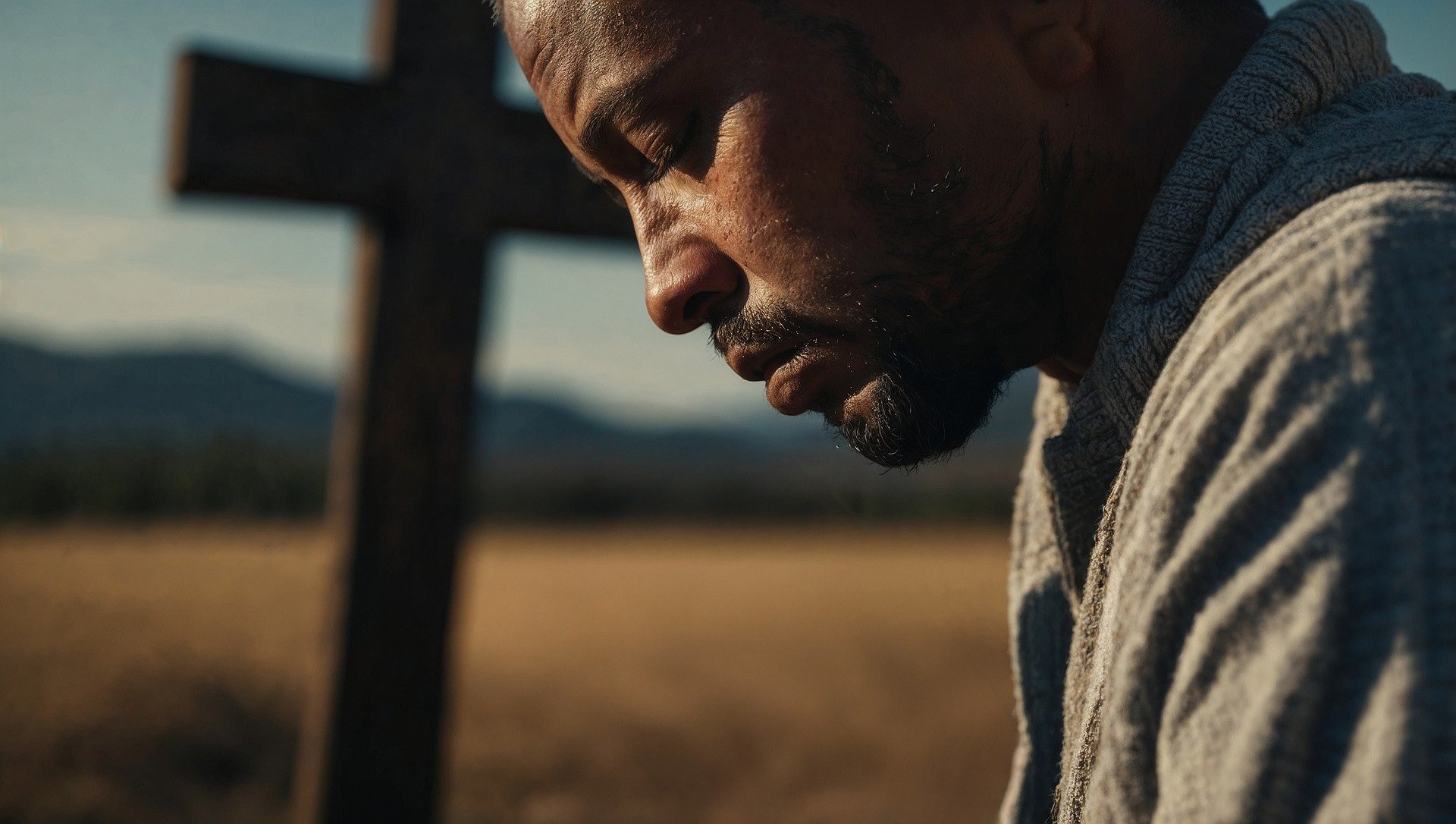
Teshuvah in the Torah of Moses from the Plates of Brass
Teshuvah is not merely something we do, as human beings, re-aligning ourselves with God. It is as an act of love and mercy on God’s part.

Overarching Themes and Ideas in the Revelations of Havah Pratt
While the Revelations of Havah Pratt have been around for a few decades now, most Latter Day Saints remain woefully unaware of their contents.
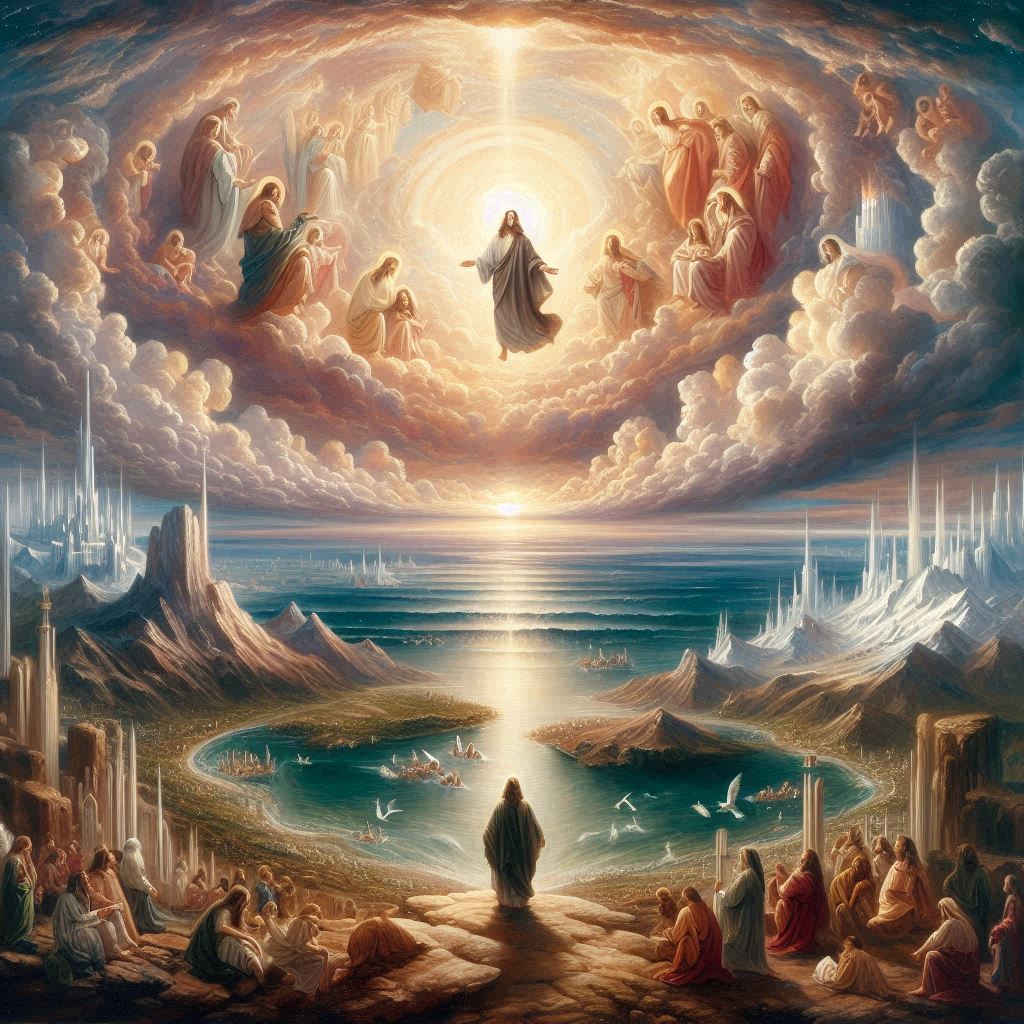
As Above So Below
In Hermetics, there is an axiom: “That which is above is like to that which is below, and that which is below is like to that which is above.” Or in layman’s terms, “As above, so below; as below, so above.” This statement is found on the Plates of Brass in the headings of Chapters 3 and 4 of 1 Moses, which leads us to ask: What does this mean, and how is it relevant to us today? I have spent considerable time pondering this idea and would like to share my thoughts.